
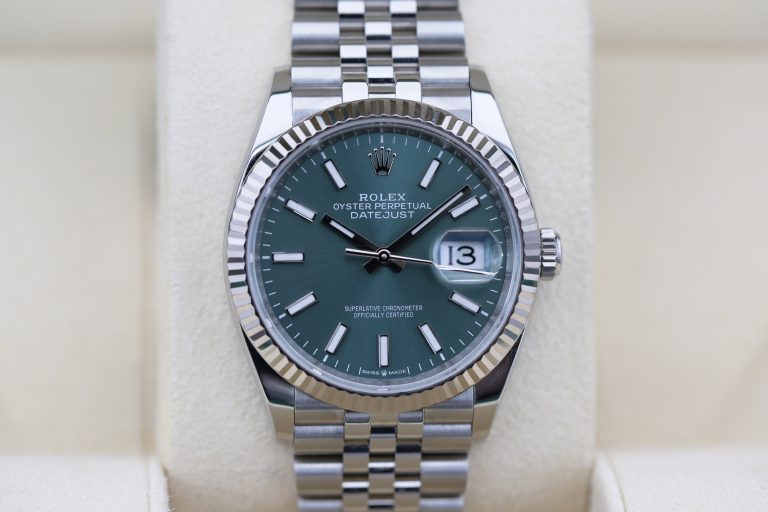
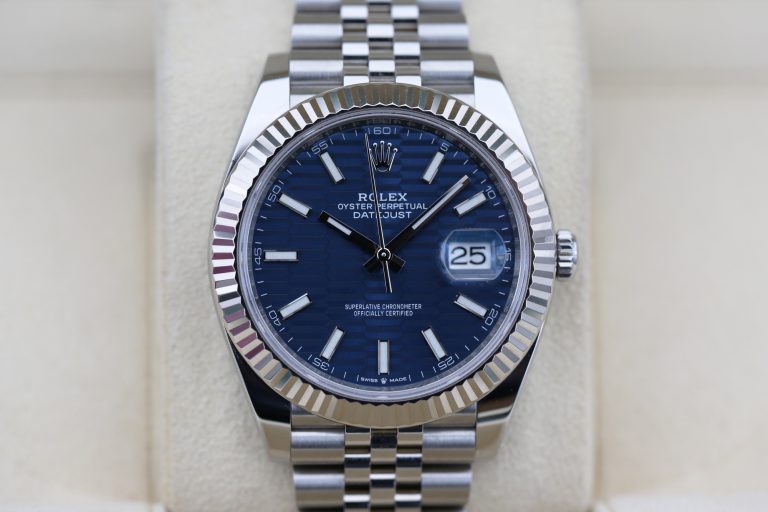
Investing in luxury watches has become increasingly popular and two brands dominate the conversation in Rolex and Patek Philippe. Both are legendary Swiss watchmakers with iconic models and passionate followers. But when it comes to investment potential which offers the better bang for your buck? In this comparison we’ll explore how Rolex and Patek Philippe stack up in terms of value retention, demand, rarity and long term returns for collectors and investors.
Brand Prestige and Heritage
Both Rolex and Patek Philippe boast rich histories and prestige but they occupy slightly different niches in the luxury watch world.
- Rolex is renowned for its robust tool like sports watches and timeless designs. Over the decades Rolex built a reputation for innovation in durability, from inventing the first waterproof watch case to the first self winding mechanism in 1931. Rolex’s image is tied to adventure and achievement, iconic figures like Sir Edmund Hillary and James Bond wore Rolex cementing its status in pop culture. This broad appeal makes Rolex one of the most recognised luxury brands globally, synonymous with success and reliability.
- Patek Philippe represents the pinnacle of traditional watchmaking. Patek is revered for its artisanal craftsmanship, complex complications and exclusivity. With nearly two centuries of heritage, Patek has produced some of the world’s most intricate watches, from perpetual calendars to minute repeaters and remains family owned, adding to its mystique. It is the brand of royalty and connoisseurs, Patek timepieces have been owned by queens, kings and titans of industry and they feel like hand made works of art in a way few others do. In terms of pure prestige and horological pedigree, many consider Patek Philippe the very top of the pyramid.
It’s clear that both brands have unparalleled prestige. Patek Philippe might edge out in old world prestige and exclusivity, while Rolex’s brand is arguably more globally iconic and broadly “aspirational.” But how do these differences translate into investment performance? To answer that, we must look at production numbers, demand dynamics and the secondary market.


Production, Scarcity and Demand Dynamics
One major difference between Rolex and Patek Philippe is how many watches they produce and this greatly impacts investment value:
- Rolex Production & Demand: Rolex makes significantly more watches than Patek, on the order of nearly a million per year. In recent years Rolex has been producing around 1 million to 1.1 million watches annually. This is high relative to Patek, yet Rolex manages to maintain scarcity. Thanks to worldwide demand far exceeding supply at authorised dealers, even a million Rolexes per year aren’t enough, popular models have waitlists and shortages. Rolex deliberately controls supply and doesn’t flood the market. This strategy combined with its quality and brand cachet, fuels a thriving secondary market. In other words Rolex achieves a balance of accessibility and desirability, it makes more watches so that it’s globally ubiquitous, but still not enough to meet demand, keeping prices strong. Many Rolex models (especially steel sports models) are famously hard to get at retail and often resell for a premium as a result.
- Patek Philippe Production & Demand: Patek is the opposite of mass production. The company keeps output very low to preserve exclusivity. Only around 60,000–62,000 Patek Philippe watches are made each year, a tiny fraction of Rolex’s volume. This deliberate scarcity means if you own a Patek, you’re in a fairly small club. Patek’s limited production drives high demand among collectors; certain models have multi year waiting lists or require extensive purchase history to obtain. The ultra limited supply ensures that popular Pateks retain or increase their value due to sheer rarity. Exclusivity is part of Patek’s DNA, the brand even refuses to cater to fads or ramp up production, guarding its reputation carefully. For investors, this scarcity can be a double edged sword, it often means higher entry prices and fewer opportunities to buy, but it also can lead to exceptional value retention for those pieces you do acquire.
Rolex produces many more watches yet still enjoys supply shortages due to massive demand whereas Patek produces very few watches creating intrinsic rarity. Both approaches result in strong secondary market interest, but the typical investor might find it easier to acquire and trade Rolex pieces simply because there are more of them circulating and at a wider range of price points. Patek’s scarcity makes it more exclusive, sometimes you must pay a premium to get the model you want, as there may be no other way. Now let’s see how these dynamics play out in resale value and investment returns.
Resale Value and Value Retention
One of the key metrics for any “investment watch” is how well it holds or appreciates in value over time. Here, both Rolex and Patek Philippe have excellent track records, routinely outperforming most other brands. However the nature of their value retention differs:
- Consistent Premiums on Rolex: On average Rolex watches tend to maintain strong resale value. Many coveted Rolex models sell for above their original retail price on the secondary market. In fact, recent market analyses show that Rolex watches average around a 48% premium over MSRP in resale, compared to about a 27% premium for Patek Philippe on average. This means if you bought a popular Rolex at retail you could potentially sell it for roughly 1.5 times what you paid, whereas a typical Patek might fetch around 1.27 times retail. This isn’t a hard rule, but it reflects how reliably Rolex holds value across a broad range of models. Part of this is due to Rolex’s huge global demand and relatively accessible pricing, there are always buyers for a pre owned Submariner or Daytona, keeping prices buoyant.
- High Peaks on Patek: While Patek’s average resale premium may be lower, the ceiling is undeniably higher. Patek Philippe is known for record shattering auction results and sky high appreciation on rare references. Put simply ultra rare Patek models tend to outshine Rolex in pure price appreciation. For example, consider limited or complicated Pateks, a grand complication Patek that was very expensive to begin with might resell for tens or hundreds of thousands more than its original price, far exceeding any absolute gain a Rolex could deliver. Recent data confirms this pattern, one analysis found that while Rolex investors saw an average profit of around £7,000 on premium models, Patek investors saw average gains of about £44,000 on their high end pieces. In other words Rolex might give a higher percentage return on many models, but Patek can deliver jaw dropping dollar returns on the most coveted references.
- Auction Records: Nothing illustrates Patek’s top end strength vs. Rolex like their auction records. Nine out of the ten most expensive watches ever sold at auction are Patek Philippes. Patek Philippe holds the current world record price for any watch: in 2019, a Patek Grandmaster Chime (ref. 6300A 010) sold for an astonishing $31 million. Rolex’s highest record, while also impressive, is the $17.7 million paid for Paul Newman’s Rolex Daytona (ref. 6239). These records show that at the very pinnacle of collectability, Patek reigns supreme, its heritage pieces and grand complications are the most sought after by ultra wealthy collectors. Rolex’s top vintage models like that Paul Newman Daytona still fetch stratospheric prices, but generally in the few millions range, not tens of millions. For an investor, this means Patek has greater “blue sky” potential for truly exceptional pieces, whereas Rolex’s value lies in consistent performance across a larger number of models.
It’s worth noting that the past few years (early 2020s) saw an unprecedented spike and correction in the watch market. Both Rolex and Patek prices surged in 2021 2022 due to heightened demand and speculation, then saw a correction in 2022 2023. By early 2025, the market appears to be stabilising for both brands. For instance in February 2025 Rolex resale prices actually ticked up slightly for the first time in many months, while Patek prices were down a modest 0.8% that month and about 6.5% year on year, indicating a leveling off after the earlier cooling. Crucially even through the correction, core models from both brands held much of their value – neither Rolex nor Patek crashed the way lesser known brands did. Rolex’s historically strong resale and Patek’s long term desirability provided a floor. This resilience underscores why these two names are perennial favorites for anyone looking at watches as investments.
Iconic Models and Investment Case Studies
To truly compare Rolex vs. Patek as investments, we should examine some specific models that have become legends in terms of value retention or appreciation. Each brand has its all stars:
Rolex Investment Icons:
- Rolex Daytona (especially vintage): The Daytona chronograph is a star performer in Rolex’s lineup. Vintage Daytonas from the 1960s–70s (such as the “Paul Newman” variants) are holy grails that went from a few hundred dollars decades ago to millions at auction today. Even modern Daytonas are investment worthy; for example, the stainless steel Daytona (ref. 116500LN) has been so in demand that its auction prices in 2024 averaged around £25,000 – about an 11% year over year increase. This model retailed for far less, meaning it has consistently traded at a hefty premium. The Daytona exemplifies the Rolex formula, iconic design, limited availability and broad collector enthusiasm translating to rising values over time.
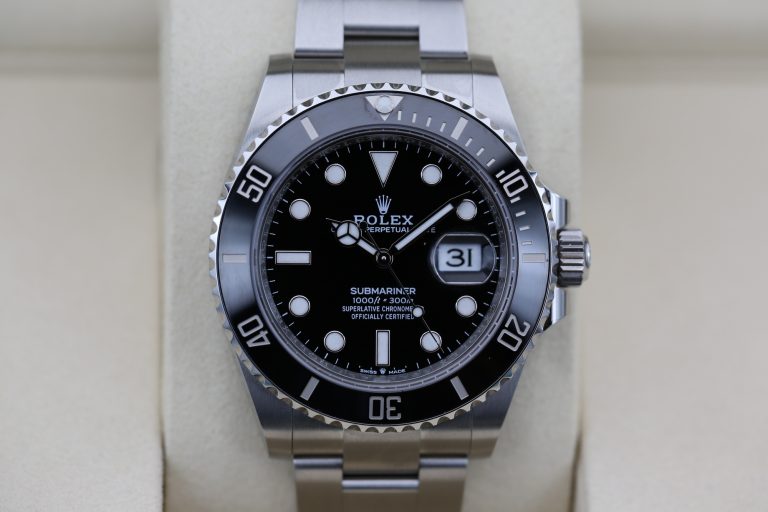
- Rolex Submariner: The Submariner dive watch is another model with legendary status. Certain references have become collector favorites that appreciate once discontinued. A great example is the Submariner “Hulk” (ref. 116610LV, green dial/bezel, 2010–2020). At retail it was a few thousand pounds, but after Rolex discontinued the Hulk in 2020, secondary prices jumped significantly (often double retail or more at the peak). Older vintage Subs like a 1970s ref. 1680 or the 1980s ref. 5513 have seen massive gains from their original prices decades ago, especially if in good condition with box & papers. In 2024, a modern no date Submariner 124060 was averaging ~£10.2k at auction, up 8% year on year, showing that even current production Subs often appreciate in the resale market.
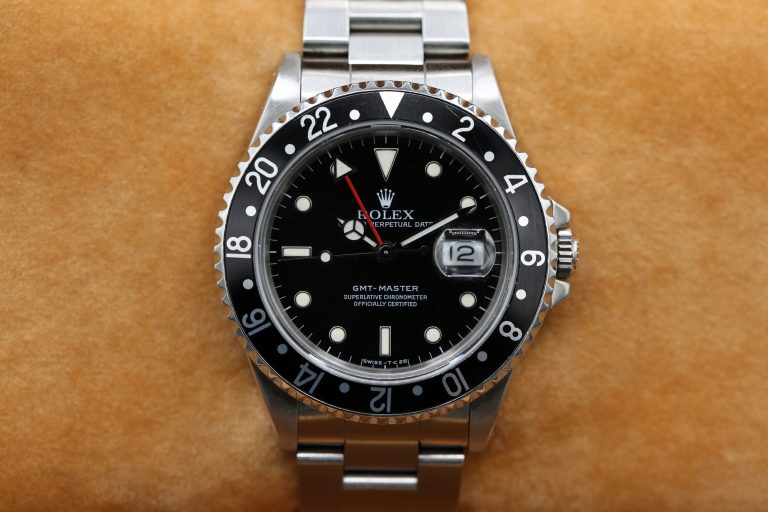
- Rolex GMT Master II: Sporty GMT models with distinctive bezel colours (nicknamed “Pepsi”, “Batman”, “Root Beer”, etc.) are hugely popular and often trade above retail. For instance the GMT Master II “Pepsi” (red/blue bezel) and “Batman” (blue/black bezel) in steel have waitlists at dealers and strong resale value. Rolex even released a left handed version with a green/black bezel nicknamed the “Sprite” in 2022 and like clockwork, it commanded hefty premiums initially due to novelty and rarity. These GMT models are not limited editions, but Rolex’s controlled supply keeps them scarce enough that values remain solid. Collector demand for classic Rolex sports models ensures liquidity and value retention, whether it’s a GMT, Sub or Daytona.
- Rolex Day Date (“President”): The Day Date especially in gold with the signature President bracelet, is more of a dress model but has enduring investment appeal in certain configurations. Vintage Day Dates from the 1970s–90s have appreciated as collectors seek birth year pieces and classic designs. Modern Day Date 40 models (ref. 228238, etc.) in rare dial colour can also gain value if production is limited. Generally, while steel sports Rolexes are the hottest investments, gold Day Dates hold their value well due to gold content and iconic status – and some unique dial variants become quite collectible.
- Rolex Oyster Perpetual (OP) – Special Dials: Not traditionally thought of as an “investment” watch, the simple Oyster Perpetual shocked everyone in 2020–2021 by becoming a hot commodity. Rolex introduced brightly coloured dials and the turquoise blue OP 41mm – dubbed the “Tiffany” dial by collectors – skyrocketed in price. During the pandemic craze, this entry level Rolex saw secondary prices at one point reach 5–10 times retail! A watch that retailed around £3700–£4500 was selling for much higher due to a speculative bubble and the influence of Patek’s own Tiffany Blue Nautilus release. While those extreme prices have since cooled, it proved that even an unassuming Rolex can become an investment rocket if market hype takes hold. It’s a reminder that Rolex’s brand power is so strong that virtually any model can catch fire if collectors decide it’s the next must have.
Patek Philippe Investment Icons:
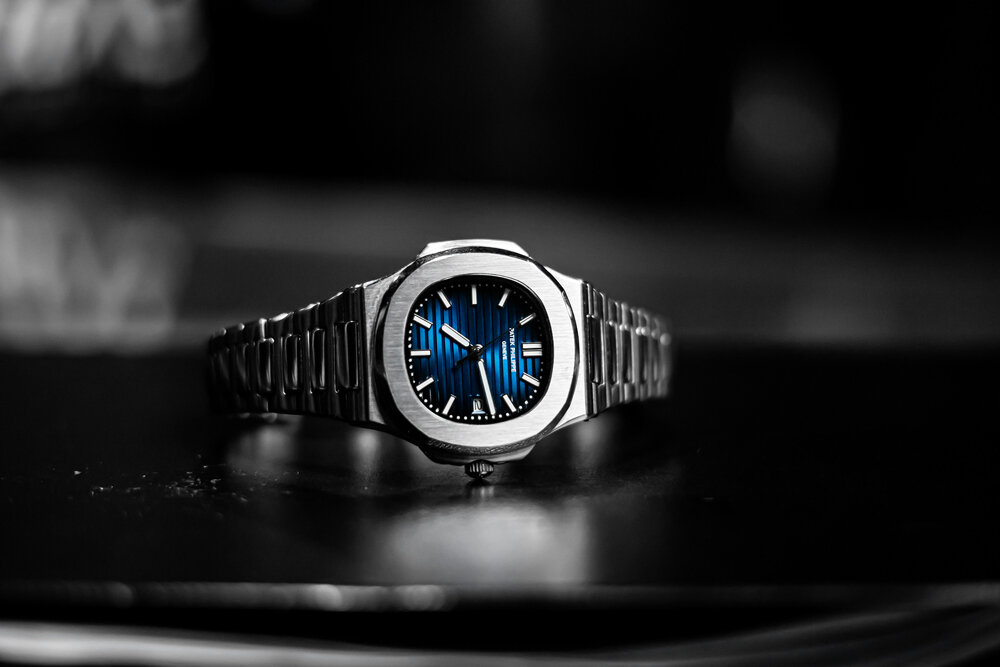
- Patek Philippe Nautilus: The Nautilus is arguably the single most important Patek Philippe model for investment discussion. Designed by Gérald Genta in 1976, this elegant stainless steel sport watch was relatively underappreciated for decades until the past 5–10 years when demand exploded. The blue dial Nautilus 5711/1A (now discontinued) became so sought after that at one point in 2021 its market price was nearly 5–6 times its retail price, a frenzy rarely seen in the watch world. When Patek discontinued the 5711, prices spiked even further. Although they cooled off from the peak, the Nautilus still trades for far above original retail. At auction in 2024, an average 5711 was around $84,000 (down 6% year over year after the broader market correction), still an enormous premium considering its retail was around $30k. Limited editions like the Tiffany & Co. co signed Nautilus (with a robin’s egg blue dial) have sold for insane figures (over $6 million at auction in late 2021). In short the Nautilus has proven to be a modern investment phenomenon, turning a $30k watch into a six figure asset if you were lucky enough to get one at retail. Even new Nautilus iterations like the 5811 in white gold and sibling models Nautilus Chronograph, Nautilus Travel Time, etc. command high demand, though Patek is careful not to flood the market. The Nautilus’ combination of Patek prestige, Genta design and limited supply make it a true investment legend.
- Patek Philippe Aquanaut: Often considered the Nautilus’ younger sibling, the Aquanaut introduced in 1997, has also seen rising fortunes. With its modern, casual design and rubber strap, the Aquanaut was once the “cheaper” Patek sports watch. But today models like the Aquanaut 5167A or the larger 5168G are in huge demand, especially after people priced out of the Nautilus turned to the Aquanaut. Certain Aquanauts like those with green dial or the chronograph version trade well above retail. While not as extreme as the Nautilus, the Aquanaut’s value trajectory shows a similar pattern: limited supply + sports watch appeal = strong investment potential. It’s now quite common for Aquanauts to sell pre owned for double their retail price and they remain hard to get from Patek dealers.
- Grand Complications and Limited Editions: Patek’s bread and butter are complicated dress watches, perpetual calendars, chronographs, minute repeaters, etc. These are very expensive at retail and typically produced in small numbers and often in precious metals. As investments many of these hold their value or appreciate steadily over long periods, though not as explosively as the steel sports models. For example, a Patek perpetual calendar chronograph like the ref. 5270P (platinum) was cited in an auction study as having +19% year over year growth in price, indicating solid performance. High complications tend to sell for hefty sums at auctions, sometimes much more than retail if especially rare e.g. limited editions, unique piece grand complications, etc. Patek also creates occasional unique art pieces like handcraft dials, etc. that can appreciate immensely due to rarity as only a handful exist. The key with Patek complications is finding the truly special references, those can become million dollar auction hits, for instance vintage references like the 1518 perpetual calendar or modern super complications like the Grandmaster Chime. Patek’s top pieces are often considered “blue chip” assets in the watch world, analogous to investing in fine art, they may appreciate slowly but are very unlikely to ever lose significant value given their significance and scarcity.
- Patek Calatrava (classic dress watches): The Calatrava line, epitomising the classic gold dress watch is more for collectors who appreciate timeless style than for flippers seeking big gains. Most Calatravas don’t skyrocket in price on the secondary market, in fact some depreciate slightly if bought new, since they lack the hype of sports models. However vintage Calatravas from the mid 20th century have become collectible and can command high prices at auction if they’re rare references or have unique provenance. A modern Calatrava Pilot style(like the 2015 Pilot Travel Time was Patek’s attempt to add a bit of sportiness to the Calatrava family, those have been well received and hold value, but again not “investment grade” in the way a Nautilus is. So Calatravas are usually stable stores of value rather than big appreciators, a safe choice if you love the watch, but not the highest growth segment of Patek.
In comparing models Rolex’s investment strength lies in its sports/tool watches which are produced in larger numbers but also have incredibly broad demand. Many of the Rolex examples listed illustrate how even across different eras these models tend to at least hold their value and often increase. Patek’s strength is in its exclusivity and high complication pieces, with the Nautilus being the huge exception that behaves more like a hyped Rolex in the market. An interesting trend is that Patek’s sports models have appreciated the most in recent years, showing that the market really rewards that steel sport watch category, no matter the brand.
Liquidity and Market Considerations
Investment isn’t only about upside, it’s also about how easily you can realise that upside. Liquidity or how quickly and easily you can sell an asset without losing value, is another factor where Rolex and Patek differ:
- Rolex: High Liquidity – Thanks to its larger collector base and recognisable name, Rolex watches are extremely liquid. They sell quickly on secondary markets and at auction. A study of auction data showed Rolex watches had a 98% sell through rate and averaged just 6 days to sell at auction, whereas Patek watches had about an 83% sell through and took around 15 days on average to sell. This means if you want to “cash out” of a Rolex, you’ll likely find a buyer faster and with less hassle. Additionally, there are many dealers and platforms dealing in Rolex, which creates a competitive marketplace. In essence Rolex is like a high demand stock, it trades frequently and at tight spreads. This makes it ideal for those who may want to flip watches or need the flexibility to sell quickly.
- Patek Philippe: Patient Sellers & Niche Market – Patek is highly coveted but by a more select group of collectors. There are fewer Pateks out there and they are generally more expensive, which naturally shrinks the pool of immediate buyers. As noted, Pateks moved slower at auction on average and not every piece is guaranteed to sell unless it’s priced right. One auction analyst famously summarised: “Rolex is the stock, Patek is the bond – one trades constantly, the other appreciates long term”. Pateks often require finding the right buyer who appreciates the piece. However, when that buyer is found, they might pay very handsomely. So liquidity is lower, but that’s often fine for Patek owners who tend to hold their watches longer as part of a collection or even as family heirlooms. Patek is where “serious collectors build legacy portfolios,” whereas Rolex can be a bit more of a trading asset.
- Market Confidence and Authenticity: Another consideration is authenticity and fakes, sadly a reality in the luxury watch market. Rolex being so popular has more issues with counterfeits, high grade “superfakes” exist for models like the Submariner or Daytona. Patek Philippe on the other hand is harder to counterfeit convincingly due to the complexity and also has measures in place to assure authenticity. Industry experts note that “It’s very hard to have a fake Patek”, the brand invests heavily in preserving its integrity and supporting owners with documentation. This gives high end buyers comfort when spending large sums on Patek. Rolex watches are also routinely authenticated by auction houses and dealers, so fraud can be mitigated, but it’s a point to keep in mind. In terms of market confidence, both brands are trusted, but Patek carries an extra aura of “no compromise” quality that hardcore collectors respect.
In practical terms if you want easier entry and exit, Rolex is the way to go. If you’re building a long term collection and don’t mind some extra legwork to sell a piece, Patek can reward patience. Many savvy investors actually hold both, Rolex for stability and liquidity, Patek for the long haul appreciation on special pieces.
Final Verdict: Which is the Better Investment?
After examining all these factors, the “better” investment watch brand between Rolex and Patek Philippe ultimately depends on your investment strategy and goals. Here are the key takeaways to consider:
- For Reliability and Liquidity – Choose Rolex: If your aim is a safe, steady return and the ability to cash out when needed, Rolex is tough to beat. The brand’s worldwide demand and controlled output virtually ensure that most steel sport Rolexes won’t lose value. In fact they often creep up in price year after year in the pre owned market. Rolex is a lower downside risk investment, values might dip in a broad market correction, but historically they recover well and Rolex has one of the strongest resale value track records in the industry. It’s also an accessible investment, you can start with a relatively modest model and still participate in the brand’s value retention. Think of Rolex as the blue chip stock of watches, dependable, easy to trade, with a solid yield over time. Many collectors start their “investment watch” journey with Rolex for these reasons.
- For High End Potential and Prestige – Choose Patek Philippe: If you’re targeting the top end of the market and are willing to spend larger sums, Patek Philippe can offer returns that Rolex cannot duplicate. Owning a Patek is joining an exclusive club. Certain references, especially limited editions or discontinued icons like the Nautilus have seen astronomical increases in value, outpacing almost anything else. Patek is the brand that dominates auctions and garners deep respect from seasoned collectors. As an investment Patek watches can be seen as long term assets that appreciate steadily and sometimes dramatically, akin to fine art or vintage wine. However you often need to hold them longer to realise their full value. Patek is ideal if you’re a serious collector investor thinking in terms of decades and legacy. As one expert said, “Patek is where serious collectors build legacy portfolios.”
- Both Are Safer Bets Than Most: Importantly choosing between Rolex and Patek is somewhat like choosing between two excellent options. Both brands have proven over decades that their watches can retain and increase in value, whereas many other luxury watches depreciate. In the secondary market Rolex and Patek Philippe consistently rank among the top brands for resale value and demand. They are the only two brands that people often buy with near certainty that the watch will be worth as much or more in the future. So you really aren’t “wrong” with either it’s more about what fits your budget and investment style.
If pressed to answer which is the better investment watch, you might say Rolex is the better choice for the majority of watch investors due to its combination of value growth, liquidity and lower entry barrier, but Patek Philippe can be the superior investment for those able to acquire rare pieces and hold for the long term, thanks to its unmatched prestige and scarcity. A Rolex might appreciate in a steady linear way, while a Patek could be flat for a while then spike in value with the right market conditions. Savvy collectors often diversify, maybe a Rolex Submariner or GMT to anchor the collection and a Patek complication or sports model for big upside potential.
Ultimately the best investment watch is one that you not only buy at a fair price and sell at a profit, but also one that you enjoy owning in the meantime. Both Rolex and Patek Philippe produce watches that deliver immense pride of ownership. They are different flavors of excellence, Rolex with its robust sport luxury and universal recognition and Patek with its refined craftsmanship and exclusivity and each can claim superiority in different aspects of investment value. Whichever you choose, you’ll be in the company of passionate collectors and a long history of horological success, which is a rewarding journey in itself.
References: