
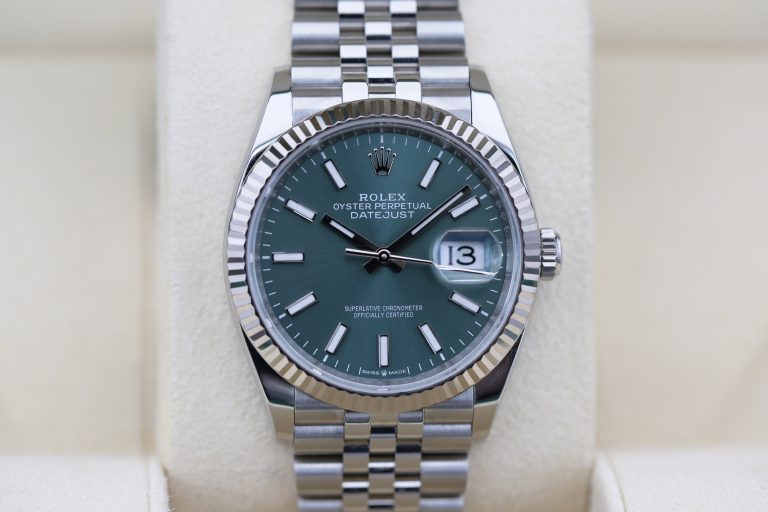
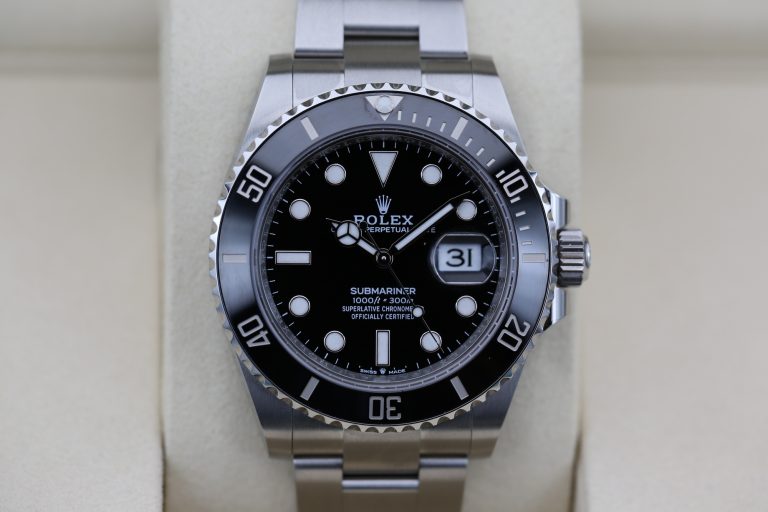
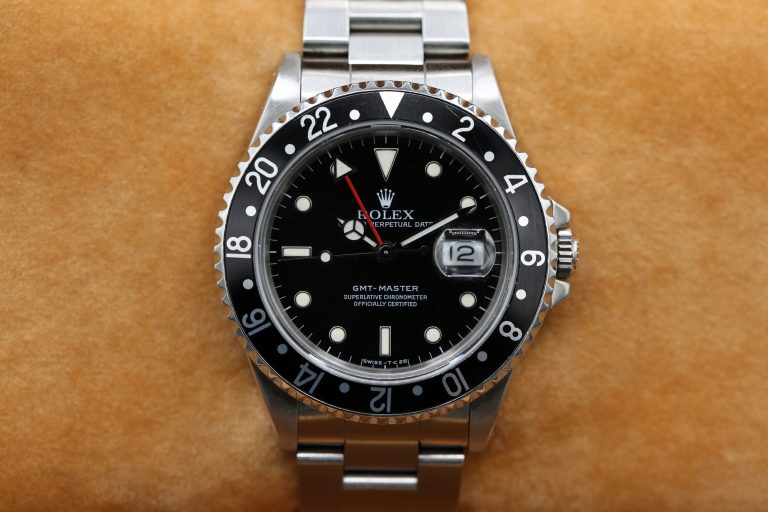
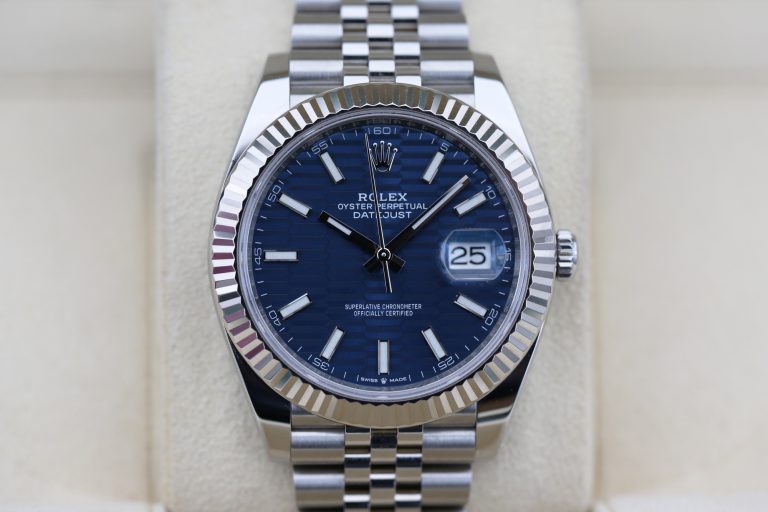
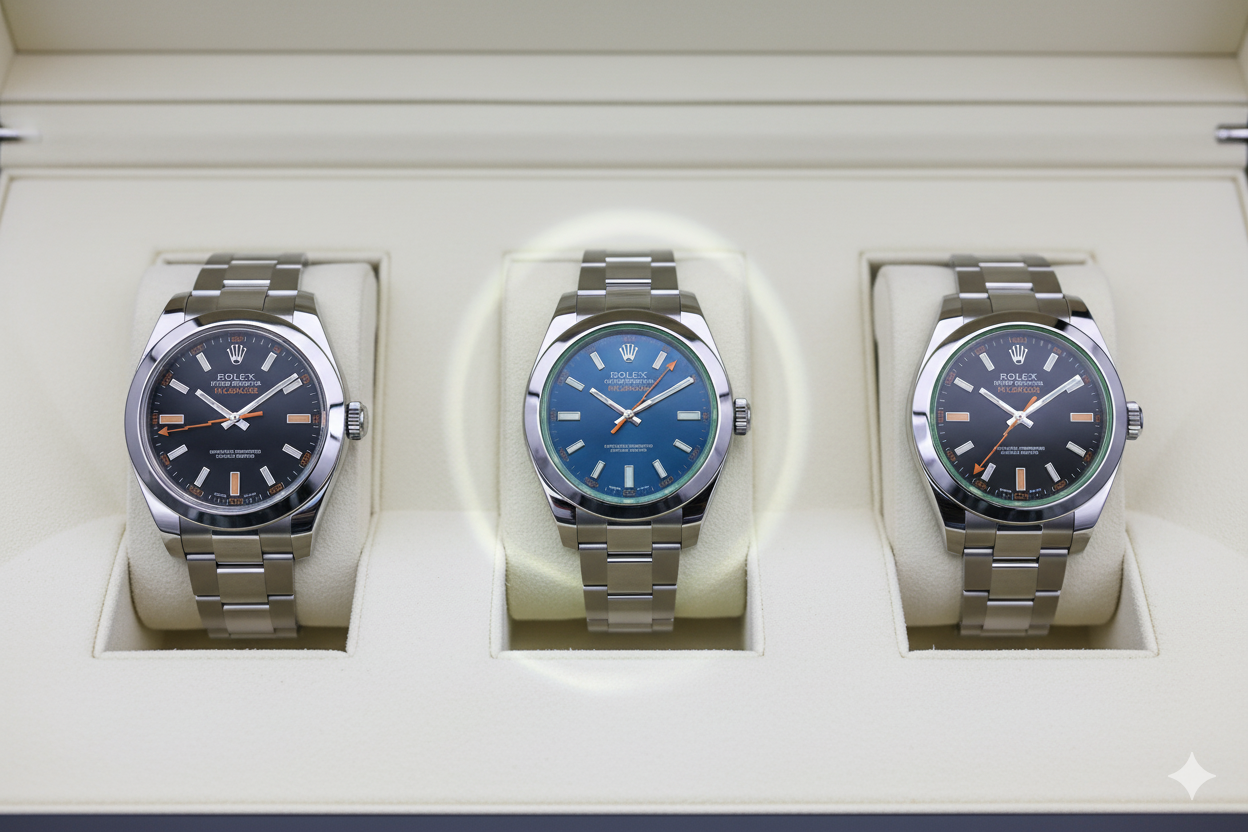
As 2026 approaches and the watch community is abuzz with speculation about Rolex’s upcoming releases. In typical fashion the famously secretive brand hasn’t confirmed anything… but history, anniversaries and recent innovations give us some strong clues. Notably 2026 marks the 70th anniversary of the Rolex Milgauss, the scientist’s anti-magnetic watch first introduced in 1956. Will Rolex commemorate this milestone with a revived Milgauss sporting cutting-edge technology? What other new Rolex models or updates might be on the horizon? In this deep dive we’ll explore the possibilities from a next-generation Milgauss to other Rolex 2026 predictions grounded in historical patterns and the latest industry chatter.
70 Years of the Rolex Milgauss: A Legacy of Anti‑Magnetism
The Rolex Milgauss has always been a bit of an oddball in the Professional line. Named for its ability to withstand mille 1000 gauss of magnetism, the original Milgauss was built in the 1950s for scientists and engineers working around strong electromagnetic fields. Early references like the 6541 even featured a rotating timing bezel, a feature borrowed from the Submariner, underscoring the model’s tool watch intent. The Milgauss achieved its anti-magnetic feat by enclosing the movement in a soft iron “Faraday cage”.
After being discontinued in 1988 the Milgauss made a comeback in 2007, just around its 50th anniversary. with a modernised design, including the now-iconic lightning bolt seconds hand and a green tinted sapphire crystal. That 2007 reissue stayed in production for 15 years until Rolex quietly discontinued the Milgauss again in 2023. This recent discontinuation, coupled with the fast approaching 70th anniversary in 2026, has fueled speculation that Rolex might be preparing the next chapter for the Rolex Milgauss.
Will They Revive the Rolex Milgauss in 2026?
Many in the watch community believe Rolex has something special up its sleeve for the Milgauss’s 70th birthday. After all Rolex has a habit of marking anniversaries with special releases or subtle tributes. For example the GMT-Master’s 50th anniversary saw a commemorative model and the Submariner’s 50th famously introduced a green bezel. Given this pattern, a Milgauss revival in 2026 would be a fitting celebration. In fact rumors swirled that Rolex themselves bid on a vintage Rolex Milgauss 6541 that fetched a record price at auction in 2023, possibly to use as inspiration. Whether or not that’s true, it’s clear the Milgauss holds a special place in Rolex lore and a modern reinterpretation could be on the horizon.
Industry observers are divided on the likelihood of an immediate comeback. Some point out that Rolex rarely leaves an iconic model shelved for long, a new Milgauss feels “inevitable”, even if timing is uncertain. Others note that Rolex’s current lineup already has multiple time only sports watches, the Oyster Perpetual, Explorer, Air-King, etc.. and all modern Rolex movements are already highly anti-magnetic, potentially reducing the functional need for a dedicated Milgauss. In other words any new Rolex Milgauss would be less about solving a problem and more about celebrating a distinctive design. Given the Milgauss’s cult following and unique legacy that might be reason enough for Rolex to bring it back. Don’t be surprised if 2026 delivers a new Milgauss, but I would expect it to offer more in design and storytelling than in necessity.
Modern Magnetism: Rolex vs. Omega
One big question is how a future Milgauss would stack up against today’s anti-magnetic standards. Back in the 1950s, resisting 1,000 gauss was remarkable, hence the Milgauss name. But times have changed. In 2013 Omega unveiled a movement that could withstand over 15,000 gauss, far eclipsing the Milgauss’s original spec. Omega achieved this not with inner cages, but by using non-ferrous materials for critical components. Today Omega’s Master Chronometer watches and even Tudor’s anti-magnetic models boast resistance orders of magnitude beyond 1,000 gauss.
Rolex hasn’t been standing still. Over the past two decades Rolex gradually made its movements more magnetism-proof by design. The Parachrom hairspring introduced 2000. is a niobium-zirconium alloy that is largely unaffected by magnetic fields. In 2015 Rolex’s new Chronergy escapement in nickel-phosphorous also brought greater magnetic resilience. Some Rolex models even use Syloxi silicon hairsprings, which are entirely amagnetic. Thanks to these advances, “today, nearly every Rolex movement offers strong resistance to magnetism without needing a bulky Faraday cage”. In fact modern Rolex sports models can reportedly withstand up to about 22,500 gauss in tests, well above any real-world exposure a watch might encounter.
That said Omega’s highly publicized 15,000 gauss benchmark and beyond. has set a new bar for bragging rights. A revived Milgauss would be the perfect platform for Rolex to one-up the competition in this arena. Rolex has filed patents hinting at new anti-magnetic tech, notably a 2023 patent for a novel “Eco-brass” balance wheel that showed resistance up to 40,000 gauss in experiments If Rolex is ready to roll out such technology, the Milgauss anniversary edition could be its showcase. In short any 2026 Milgauss would likely aim to better compete with Omega’s anti-magnetic credentials, ensuring Rolex doesn’t cede that high-tech mantle. As one commentator put it, “1,000 gauss just doesn’t cut it these days when METAS-certified watches from Omega…can withstand fields 15 times stronger.” Expect Rolex to respond in kind.
Next-Gen Movements: Dynapulse Escapement and Beyond
If Rolex does reintroduce the Milgauss we anticipate it will feature an updated movement, possibly leveraging the brand’s latest horological innovations. A big clue is the Dynapulse escapement, a revolutionary mechanism Rolex debuted in 2025’s new Land-Dweller model. The Dynapulse escapement is a proprietary design that transmits energy through rolling contact instead of sliding, using dual silicon escape wheels. Why does that matter? Because it makes the movement more efficient, allows a higher 5Hz beat rate and, crucially for the Milgauss context, it’s “extremely lightweight, virtually insensitive to magnetic fields”. The Land-Dweller’s calibre 7135, with Dynapulse, is Rolex’s first high-frequency, 36,000 vph. movement and a showcase of what Rolex’s R&D can achieve.
It’s very possible that a new Milgauss could incorporate elements of this Dynapulse technology, or at least the spirit of it, to maximise magnetic resistance and performance. At minimum, we’d expect Rolex to use its latest amagnetic components, Parachrom hairspring, Chronergy or even silicon parts in any future Rolex Milgauss. Given that the Land-Dweller proved Rolex can integrate silicon tech at scale, the Milgauss could follow suit. Imagine a Calibre 32xx series movement upgraded with indirect impulse escapement or new alloys specifically to combat magnetism. This would allow Rolex to market the Milgauss not just as “1,000 gauss resistant”, an outdated figure, but perhaps on par with or exceeding Omega’s 15,000 gauss guarantee. In essence Rolex now has the technical toolkit, between Dynapulse and new patented materials to re-engineer the Milgauss for the 21st century.
Design Possibilities: Honoring the Past vs. Embracing the New
Technical specs aside the Milgauss has always been about quirky charm. So what design tweaks might we see in a 70th anniversary edition? Rolex often makes subtle nods to heritage models rather than overt vintage reissues. For the Rolex Milgauss the heritage in question includes that rotating bezel of the original ref. 6541, the distinctive lightning bolt seconds hand and the unique green tint crystal from the last generation. It’s a safe bet that Rolex would retain the lightning-bolt hand and green crystal given their popularity and how they set the Milgauss apart. Rolex rarely backtracks on successful design signatures.
The more intriguing question is whether Rolex might bring back the 60-minute rotating bezel that early Milgauss models had. This feature turned the 1950s Milgauss into a dual-purpose watch capable of basic timing like a Turn-O-Graph. Some observers have speculated that a new Milgauss could revive the rotating bezel to bolster its tool-watch bona fides. This might even involve borrowing the robust case of another model for instance, using the GMT-Master II’s case and adding a bi-directional timing bezel insert, echoing the 6541’s look. However Rolex might be cautious here, a bezel could make the Rolex Milgauss feel too close to other models, would a new Milgauss encroach on the Explorer II or Air-King’s territory? Rolex tends to avoid internal overlap. Another design route floated in enthusiast circles is to give the Milgauss an integrated bracelet for a modern twist. This idea riffs off the trend of 1970s-inspired integrated steel sport watches, and Rolex just entered that arena with the integrated-bracelet Land-Dweller. While a long shot, an integrated-bracelet Milgauss would certainly signal that it’s a completely new generation.
Most likely Rolex will balance past and present, we might see an updated Milgauss that keeps its playful lightning seconds hand and vibrant dial accents, perhaps packaged in a slightly redesigned 40mm case, potentially slimmer, since modern anti-magnetic movements no longer require thick iron shields. Any vintage homage like a bezel or dial detail, would probably be done subtly. Rolex knows how to give a wink to collectors without doing “outright fan service” in Tudor fashion. For example we could imagine a new Milgauss dial with a subtle honeycomb texture, a nod to the 6541’s anti-magnetic honeycomb dial or a red arrow marker at 12 o’clock on the bezel if one is included, recalling the vintage red triangle. Expect evolution, not revolution in design. The essence of the Milgauss, a scientist’s watch that dares to be a bit funky, will likely remain intact.
Rolex’s Anniversary Playbook
Rolex isn’t typically very sentimental but it does have a pattern of acknowledging anniversaries in its own restrained way. Knowing this helps set expectations for 2026. In the past two decades we’ve seen examples like a green-bezel Submariner for its 50th anniversary, 2003, a platinum Daytona with an ice-blue dial for the Daytona’s 50th, 2013, a red-text Sea-Dweller for that model’s 50th, 2017 and so on. For the GMT-Master’s 70th anniversary in 2025 many predicted and hoped for a special edition, possibly a “Coke” bezel GMT-Master II in honor of the classic red/black combo. Rolex ended up surprising us as it often does, but the fact remains that milestone years put a spotlight on certain models.
So what can history tell us about the Milgauss at 70? Notably the Milgauss’s 50th anniversary roughly coincided with its 2007 re-release after a long hiatus which in retrospect feels like Rolex giving the model a second life. Now after discontinuing the Milgauss in 2023, Rolex has a fresh opportunity to generate buzz around this watch in 2026. The stars are aligned for an anniversary reintroduction, perhaps even marketed as a tribute to “science and innovation” to align with the Milgauss’s original mission. It wouldn’t be surprising if Rolex’s 2026 campaign for a new Milgauss references the year 1956 and highlights how far their anti-magnetic technology has come since then.
On the flip side Rolex also guards its mystique by doing the unexpected. They won’t release a new Milgauss in 2026 just because it’s an anniversary, it will happen only if the product and timing make sense commercially. The brand did skip some anniversaries, for instance there was no obvious fanfare for the Datejust’s 70th or 75th. But given the Milgauss’s recent retirement and collector interest, the 70th is a ripe moment. If a new Milgauss appears, expect Rolex to present it not merely as an anniversary edition, but as the next evolution of a legend, probably integrating all the incremental innovations since 2007, new movement, new materials, etc… In typical Rolex fashion, the approach might be understated but purposeful, a green crystal here, a commemorative detail there and most importantly a watch that can stand on its own merits beyond the anniversary year.
Beyond the Rolex Milgauss: Other Rolex 2026 Predictions
While the Milgauss is stealing the spotlight, it’s not the only Rolex model that could see action in 2026. Rolex usually introduces a handful of updates or new references each year and next year should be no exception. Based on historical cycles and current rumors, here are other Rolex watches to watch for in 2026:
- Expanded Use of Titanium, Rolex dipped its toe into titanium recently, the RLX Titanium Yacht-Master 42 in 2023 and the Deepsea Challenge in 2022. Word on the street is that Rolex will continue this trend, possibly unveiling a popular sports model in titanium. One prevailing rumor has been a Titanium Explorer II, which would make sense, the Explorer II is due for a fresh variation and a lightweight, “industrial-grey” version could reinvigorate that line. We might also see other models get the titanium treatment, imagine a titanium Submariner or GMT-Master II, given how Rolex now has its own titanium alloy ready to go.
- New GMT-Master II Variant, Collectors have been hoping for a GMT-Master II with the classic red/black “Coke” bezel, especially since 2025 was the GMT’s 70th birthday. If Rolex held back in 2025, they might surprise us in 2026 with this fan-favorite bezel colorway. However rather than a steel Coke GMT, Rolex might issue it in a precious metal, e.g. white gold to keep it exclusive. Another possibility floated in 2025 predictions was a “Blueberry” GMT, blue bezel or even a platinum GMT with a novel dial, these are less substantiated, but not impossible if Rolex wants to continue offering fresh GMT variants.
- Revival of the Turn-O-Graph, The Turn-O-Graph, the rotating-bezel Datejust model from the 1950s, later known as the Thunderbird. has been absent from Rolex’s catalog since 2011. Enthusiast discussions frequently bring up the Turn-O-Graph as a candidate for revival, given the industry’s appetite for vintage names. In fact some fans half-jokingly predict the Turn-O-Graph’s return every year until it happens. If Rolex were to bring it back, 2026 could be opportune, aligning roughly with the Datejust’s 80th anniversary, 1945-2025.and adding a retro-cool sports watch to the lineup. Still this is speculative, Rolex may feel that watches like the Yacht-Master or a rotating-bezel OP cover that niche today.
- New Dial Variations and Materials, Rolex has shown a creative streak lately with dials, think of the colorful Oyster Perpetuals and the eye-catching “Celebration” bubble dial in 2023. We might see new dial options in 2026 across models like the Datejust, Day-Date or Oyster Perpetual. Industry chatter suggests possibly the introduction of stone dials, e.g. malachite, lapis, tiger’s eye making a comeback in some collections. These were hinted as a potential trend for 2025 and Rolex could very well explore them going forward since they nod to the past while riding the wave of unique dial materials. Additionally expect some anniversary-themed dial colors on flagship models, for instance, Rolex sometimes uses green dials for anniversary editions, green being Rolex’s signature color.. A new green-dial model could appear, perhaps a green Sky-Dweller was speculated or even a “Tiffany blue” Daytona dial has been imagined.
| - Refinements in Existing Lines, Rolex might also use 2026 to roll out incremental updates, for example new bracelet options on sports models, the idea of a Daytona on a Jubilee bracelet has been discussed, merging vintage style with modern models.. Or a smaller complication update, could we see something like a moonphase added to the dressy 1908 line or a new variant of the Sky-Dweller? While nothing concrete has leaked, Rolex’s pattern of evolutionary improvements means we should watch for subtle changes like improved movements in remaining models, perhaps the Explorer II or Air-King getting the latest calibers. or the phasing out of older references in favor of refreshed ones.
Aside from a potential Rolex Milgauss comeback, Rolex 2026 could bring a Coke-bezel GMT, more titanium models, possibly the return of a vintage name like the Turn-O-Graph and fresh aesthetic options across the lineup. Of course Rolex being Rolex, surprises are always in store, the brand is known for defying predictions and delivering something out of left field, remember the left-handed “Sprite” GMT in 2022? The only certainty is that when Watches & Wonders 2026 rolls around, Rolex will have the watch world eagerly watching.
While we won’t know for sure until Rolex lifts the curtain in 2026 the anticipation is already building. The Milgauss’s 70th anniversary provides a compelling narrative for Rolex to reintroduce a modern anti-magnetic marvel potentially outfitted with the latest Dynapulse escapement tech and paying homage to the original’s distinctive character. This type of release would underscore Rolex’s commitment to innovation, keeping pace with rivals like Omega in the science of magnetism, while also celebrating one of its most quirky and beloved models.
At the same time Rolex’s broader 2026 lineup is likely to continue the brand’s tradition of mixing heritage with progress, we could see everything from new material applications, titanium sports watches, to classic design comebacks, long-awaited bezel colors or models, and a few unpredictable twists that get collectors talking. Rolex has mastered the art of surprising and delighting its fans without straying too far from its core identity. If historical patterns hold true 2026 will be another exciting chapter in that story, with the Rolex Milgauss leading the charge, lightning bolt in hand.
One thing is for certain, as the new year dawns, all eyes will be on “the Crown” to see if these predictions come to fruition. Rolex might not need a new Milgauss, but watch lovers sure want one and an anniversary seems the perfect time to strike. Here’s hoping we’ll be treated to a modern Milgauss that does justice to 70 years of scientific heritage and plenty of other Rolex surprises to make 2026 a year to remember in horology.
References, Sources.
- Rolex Official, “The Land-Dweller: Opening new horizons”, 2025., Dynapulse escapement description rolex.com
- Monochrome Watches, “Omega Announces the First Truly Anti‑Magnetic Watch Movement”, 2013., Comparison of Omega 15,000 Gauss vs. Rolex Milgauss 1,000 Gauss monochrome-watches.com
- Everest Horology Blog, “Is the Rolex Milgauss Coming Back?”, Feb 2025., Modern Rolex anti-magnetic tech, Parachrom, Chronergy, etc.. and 40,000 Gauss patent everestbands.comeverestbands.com; design speculation on rotating bezel & classic Milgauss traits everestbands.comeverestbands.com
- Hodinkee, “The Past, Present and Future of the Rolex Milgauss”, June 2023., Insights on Rolex possibly drawing vintage inspiration, buying vintage Milgauss, subtle nods to ref. 6541. hodinkee.comhodinkee.com
- Gear Patrol, “5 New Rolex Watches I Hope to See in 2025”, Mar 2025., Noting that 1,000 Gauss is outdated and Rolex needs to up the Milgauss’s magnetic resistance to match Omega gearpatrol.com; predicting more Rolex titanium models, e.g. Explorer II. gearpatrol.com.
- Chrono24 Magazine, “Rolex Predictions for Watches and Wonders”, Oct 2025., Community speculation on GMT 70th anniversary modelschrono24.com and Milgauss revival skepticism right after discontinuation chrono24.com.
- WatchCrunch Forum, “W&W 2026 Predictions”, 2025., Enthusiast views: debating a Milgauss relaunch, given current movements’ anti-magnetic properties. watchcrunch.com and hoping for a Turn-O-Graph comeback watchcrunch.comwatchcrunch.com.