
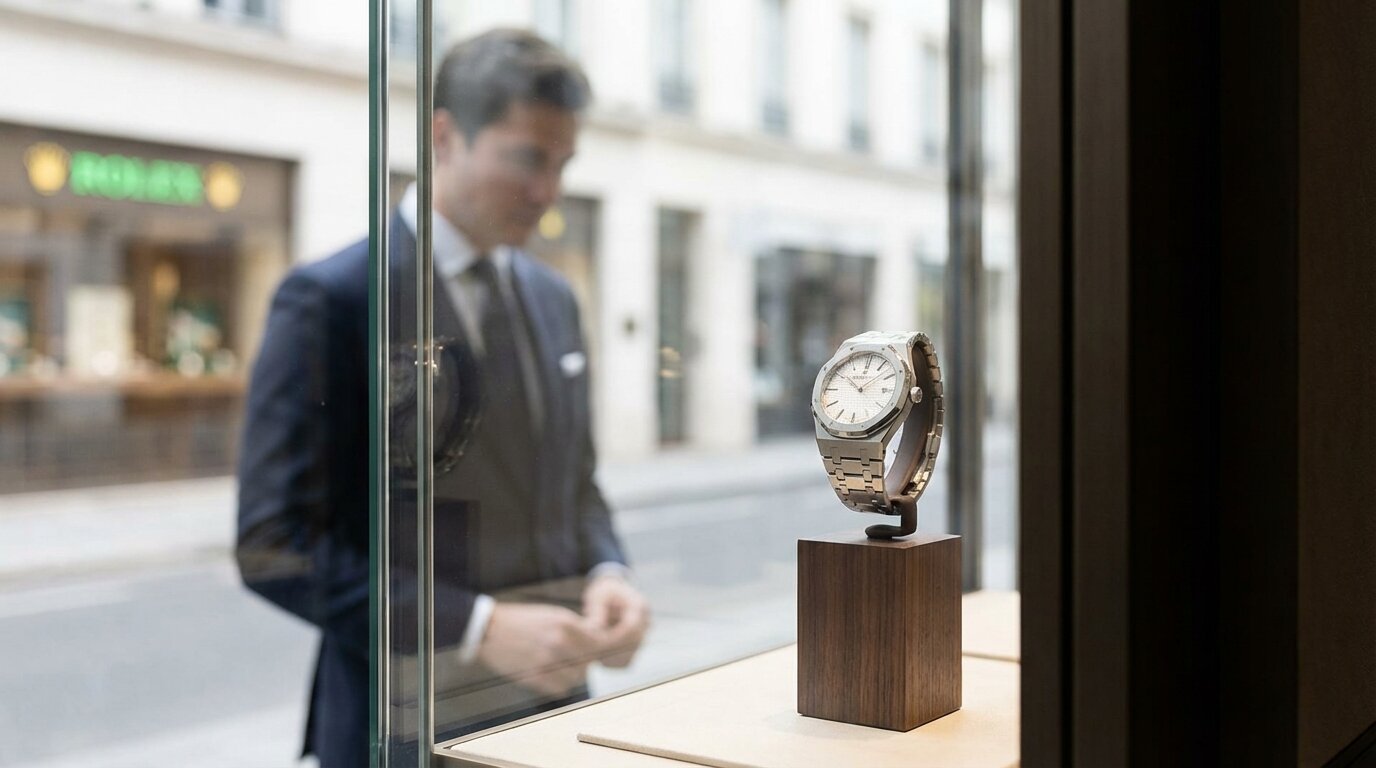
The question behind the window display
Audemars Piguet is the name that gets whispered when a client wants to step past the obvious. The whole Audemars Piguet vs Rolex debate has become the new Mayfair small talk in 2026.
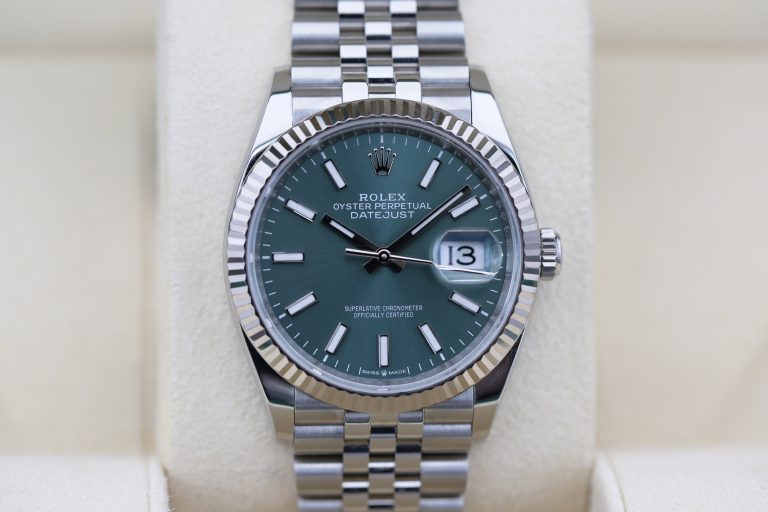
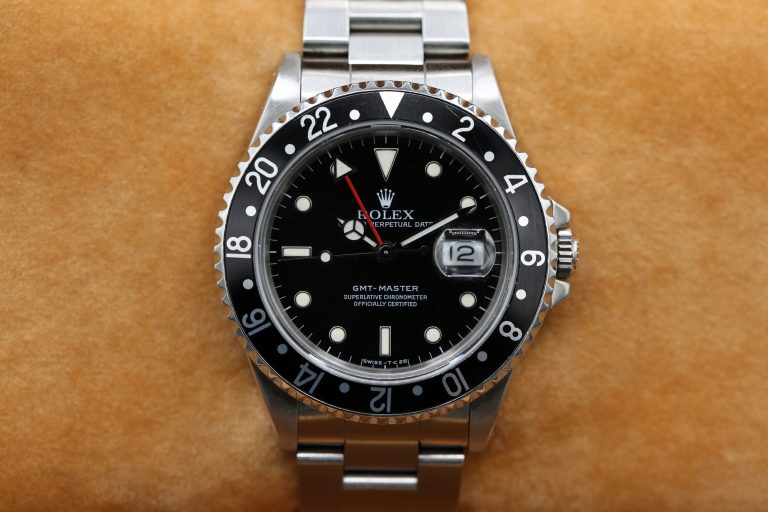
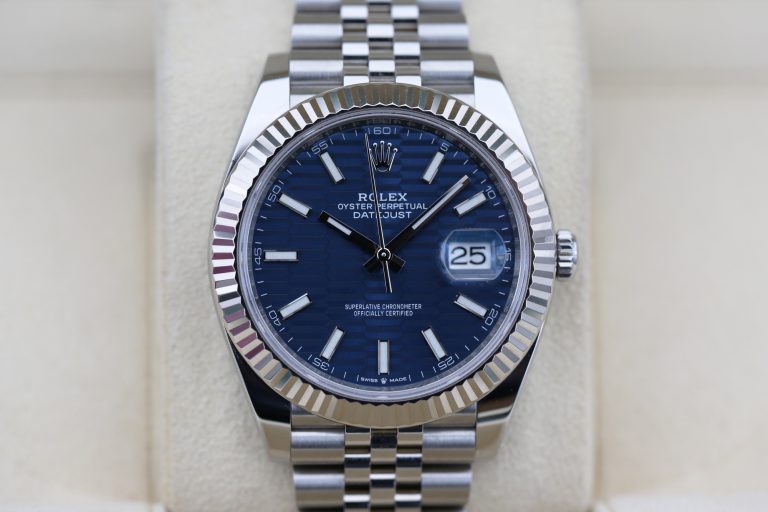
Rolex still owns the default luxury watch purchase. It’s the safe choice for a promotion. It’s also the watch you see on every other wrist at Heathrow T5.
Audemars Piguet feels less like a “buy”. It feels like a decision.
Audemars Piguet vs Rolex: what “above” really means in 2026
When people ask if Audemars Piguet sits above Rolex, they rarely mean accuracy. They mean hierarchy. They mean the moment a watch stops being a recognisable badge and becomes a collector’s signal.
Rolex does scale better than most luxury watch brands. The engineering is consistent. The servicing network is strong. The product language is instantly legible from five metres.
Audemars Piguet wins on a different axis. It sells fewer watches. It’s less tolerant of mass familiarity. That scarcity changes behaviour in showrooms across London.
In 2026, a steel sports Rolex at retail can still feel like an achievement. A steel Royal Oak from Audemars Piguet can feel like you’ve been admitted.
Scarcity is not a myth, it’s a strategy
Rolex is hard to buy at retail for certain models. That’s real. The brand still produces at a scale that keeps it present in every major city.
Audemars Piguet keeps the funnel tighter. The brand prefers direct relationships. It prefers controlled distribution. That shapes who gets offered what.
If you want “pinnacle”, start there. Control is the luxury.
Audemars Piguet history without the museum voice
Audemars Piguet history matters because it reads as uninterrupted craft, not nostalgia. The brand didn’t build its reputation on one hero product alone. It built it through constant technical showing off.
The Vallée de Joux roots still show in the way Audemars Piguet talks about finishing. There’s a quiet pride in the details that never make it onto an Instagram caption.
The Royal Oak is the cultural headline. The deeper story is the refusal to turn into a generic luxury label.
In 2026, that stubbornness plays well. Clients are tired of “limited edition” nonsense. They want a house with taste that doesn’t wobble every season.
What you’re paying for with Audemars Piguet watches
There’s a reason Audemars Piguet sits comfortably in conversations about the top Swiss watchmakers. You feel it in the metalwork. You see it in the transitions between brushed surfaces and polished bevels.
Many Rolex cases are excellent. They’re also designed for industrial consistency. Audemars Piguet chases a more labour-heavy look, even on steel.
The movement side is where the gap opens further. Rolex builds superb, durable calibres. Audemars Piguet leans harder into architecture, finishing, plus complication culture.
Finishing and proportion are the tell
Pick up a Royal Oak bracelet under boutique lighting. The crispness is immediate. The edges look drawn with a blade.
That’s not “better timekeeping”. It’s better jewellery. British clients understand that quickly. They compare it to Savile Row stitching, not to a stopwatch.
Audemars Piguet watches also tend to wear flatter than many expect. The proportions are deliberate. That matters if you live in cuffed shirts.
Complications are used as a flex, not as a footnote
Rolex complications are restrained. The brand’s peak complication is practically. That’s the point.
Audemars Piguet will happily sell you a perpetual calendar. It will also sell you openworked pieces that scream. Not everyone should buy those. Plenty still do.
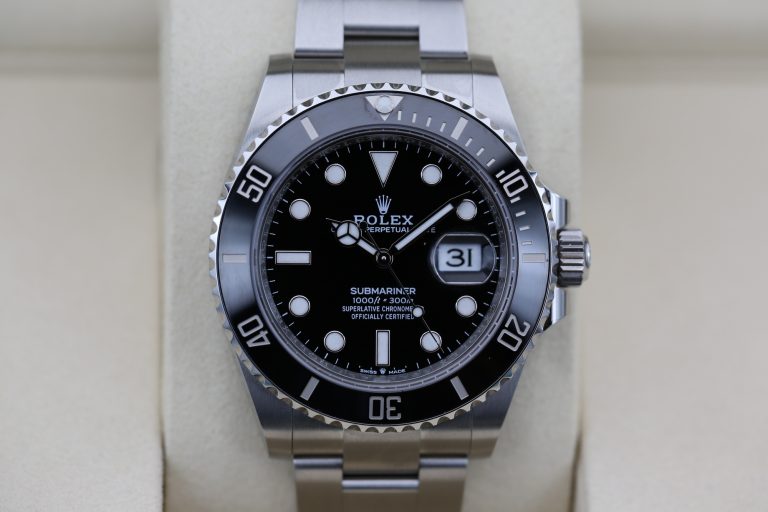
In 2026, you can see the split in who buys what. Submariners go to people who want to look sorted. Royal Oaks go to people who want to look informed.
Audemars Piguet in 2026: the collections that actually matter
Most shoppers talk as if Audemars Piguet equals Royal Oak. That’s fair. It’s also incomplete.
The Royal Oak remains the centre of gravity. The Offshore is a louder cousin. Code 11.59 is the line that rewards patience and taste.
If you want a clear view of the brand in 2026, look at how each line is positioned. Look at who is buying them in London, Manchester, plus Edinburgh.
The Royal Oak remains the benchmark
A steel Royal Oak Selfwinding in 2026 sits around £28,000 to £35,000 at retail depending on size and dial. Availability is the real cost. You pay with time plus relationship.
On the secondary market, premiums still appear for the most in-demand configurations. They can swing fast. They can also punish impatient buyers.
Audemars Piguet knows this dynamic. The brand doesn’t pretend otherwise.
Code 11.59 is where you spot real collectors
Code 11.59 is the line I bring up when someone claims Audemars Piguet is a one-trick pony. The case construction is clever. The dials can be quietly stunning in person.
In 2026, you can often buy a Code 11.59 with less theatre than a Royal Oak. Prices commonly start around £25,000. Complicated versions climb fast.
This is also where the brand’s modern identity looks most confident. It’s not trying to mimic a sports watch arms race.
Offshore and Concept are not for everyone
The Royal Oak Offshore can feel like a dare. It’s large. It’s confrontational. It sells well to clients who find standard luxury too polite.
Concept pieces show what Audemars Piguet can do when it stops caring about mass appeal. They’re not “better” for daily wear. They’re better as proof.
That matters if “pinnacle” is your word. Pinnacle implies theatre.
Buying experience: why the brand feels higher than Rolex
The retail experience is where Audemars Piguet often feels above Rolex in 2026. Rolex can be brilliant through the right authorised dealer. It can also feel transactional.
Audemars Piguet leans into direct clienteling. The AP House concept in London has changed expectations. It feels closer to a members club than a shop.
You get offered coffee in proper cups. You get time. You also get assessed.
Allocation culture is sharper at Audemars Piguet
A Rolex boutique can put you on a list. The list may be vague. The rules may be vague too.
Audemars Piguet is often more explicit. You’re building a purchase history. You’re proving you won’t flip the watch.
This is where some clients get irritated. I understand it. I still think it reinforces the brand’s position.
- Rolex feels like a queue with manners
- Audemars Piguet feels like a gate with a keyholder
- Grey market pricing shifts weekly in 2026
- Service access matters more than unboxing videos
Hard numbers: pricing, waits, plus where the money actually goes
Clients want clarity. They also want bragging rights. Both brands trade on that in different ways.
The table below uses typical UK retail pricing in 2026. It also reflects what retailers are seeing for waiting times. Actual offers depend on relationship, configuration, plus luck.
| Category | Rolex typical 2026 UK retail | Audemars Piguet typical 2026 UK retail | Typical 2026 wait experience |
|---|---|---|---|
| Steel sports icon | £9,000 to £14,000 | £28,000 to £35,000 | Rolex: months to years. Audemars Piguet: often relationship-gated |
| Chronograph | £13,500 to £16,000 | £35,000 to £55,000 | Both are difficult. Audemars Piguet skews more selective |
| Dress leaning model | £6,000 to £10,000 | £25,000 to £45,000 | Rolex: easier outside steel sports. Audemars Piguet: more curated |
| Complication culture | Rare in core catalogue | £60,000 to £250,000+ | Audemars Piguet: access improves with history |
There’s also a psychology tax. Rolex buyers often anchor on “value retention”. Audemars Piguet buyers anchor on “entry to the brand”.
In early 2026, secondary prices have been more sensitive than they were during the peak hype cycle. A swing of 10% to 20% over a short period is not unheard of on specific references.
This is where mild scepticism helps. If you’re stretching for a watch, don’t rely on resale narratives. Buy the thing you want to wear.
Where Audemars Piguet sits among luxury watch brands in 2026
Within the wider group of luxury watch brands, Audemars Piguet has a rare balance. It has mainstream recognition. It also has credibility with nerds.
Some maisons have heritage yet lack heat. Others have heat yet lack craft depth. Audemars Piguet sits in the narrow band that can claim both.
This is why it often gets placed with the top Swiss watchmakers when collectors talk seriously. The finishing, the design language, plus the willingness to do complicated work all support that.
Rolex remains a giant. It’s the best-known name in watches for a reason. It simply doesn’t aim for the same kind of prestige mechanics that Audemars Piguet trades on.
Audemars Piguet: is it truly the pinnacle above Rolex?
If “pinnacle” means cultural dominance, Rolex still wins in 2026. It’s the watch people recognise. It’s the watch that signals success to everyone, not just collectors.
If “pinnacle” means craft signalling inside the category, Audemars Piguet has the edge. The pricing, the finishing, plus the buying friction all push it into a higher bracket.
I’m cautious about treating any watch as a trophy. Trends change. Tastes move. The person who buys purely for status often looks dated within a year.
Still, if you want a watch that reads like you’ve graduated from the obvious, Audemars Piguet is the cleaner answer. Rolex is a masterstroke of product. Audemars Piguet is a masterstroke of positioning.