
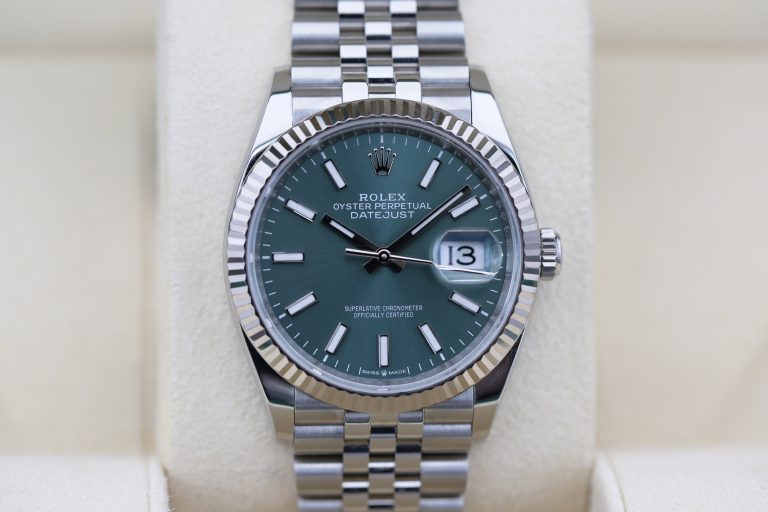
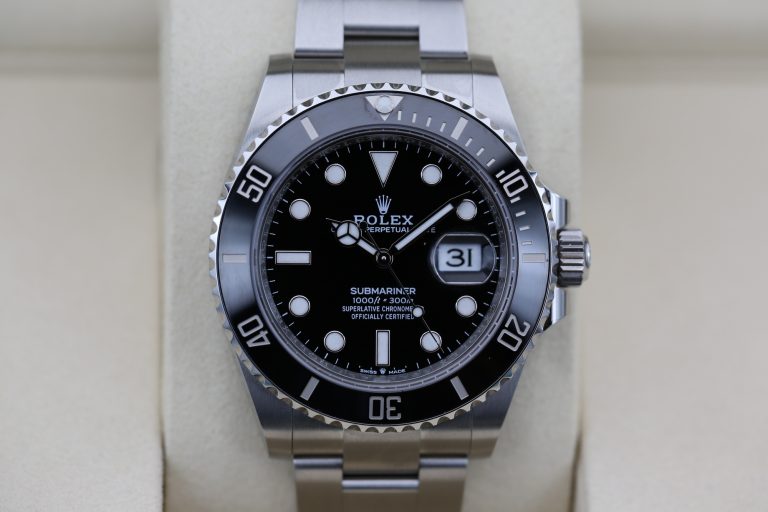
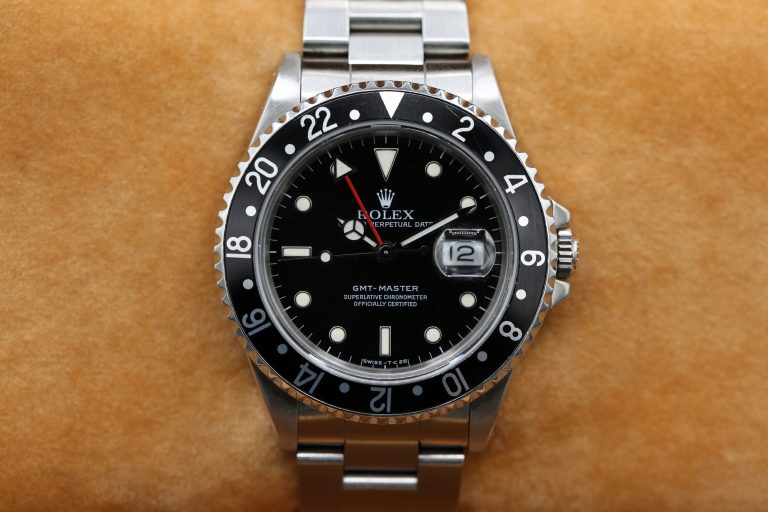
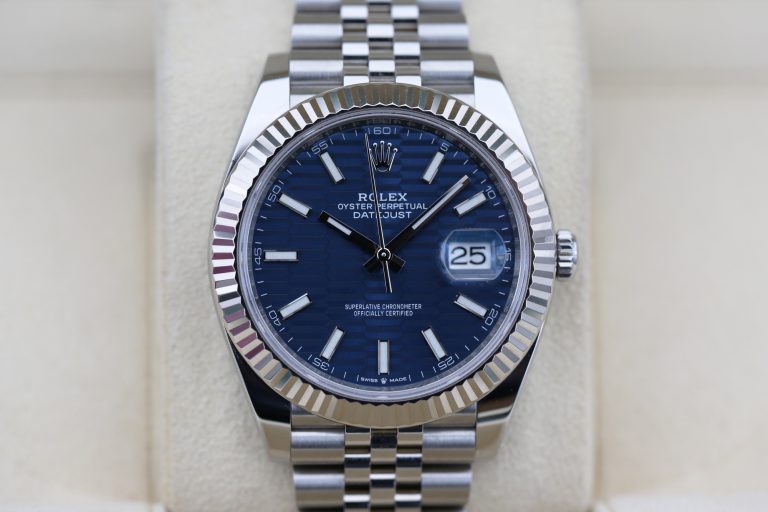
Professional polishing of luxury watches polishing is a precise, multi-step process. Technicians first remove bracelets and sometimes the movement, then clean the case, often ultrasonically to remove dirt. Small scratches are gradually buffed away using progressively finer abrasives, for example, sanding sticks followed by buffing wheels with polishing compounds (rouge or diamond paste) and brushed finishes are restored with fine-wire brushes. Authorised service centers use specialised equipment and trained polishers to control this process. Rolex for instance requires apprentices to train for years before polishing on the job. As one expert notes, “a single polishing operation is high stakes: a few seconds too long and you take the watch too far, too short and you leave scratches”. By contrast independent polishers may lack brand specific lathes or data, so it’s critical they also have extensive experience. Reputable watchmakers (authorised or qualified independents) know the precise angles, mixes of brushed vs. polished surfaces and correct pressure to use. In practice a professional polishing service will usually disassemble the case, then use high-precision lathes and rotating wheels with successively finer abrasives, finishing with a jeweller’s buffing cloth.
Authorised centers vs. independent polishers often differ in tools and guarantees. Brand service centers (Rolex, Omega, etc.) use factory approved machines and procedures and trained in-house specialists. For example Rolex’s official polishers are taught to “carefully maintain the watch’s original proportions, edges and factory finishes” even as they remove scratches. Omega similarly suggests trusting only certified experts: an authorised Omega service is recommended to “maintain its luster without compromising the integrity of the metal”. Independent watchmakers can also polish expertly, but buyers should ask questions: do they disassemble the watch and remove the movement before polishing? They should, to avoid damage. In general professionals, whether brand authorised or master craftspersons, will use high-precision polishing lathes and inspection tools. Non professionals or amateurs risk uneven surfaces, distorted bevels or even permanently rounded edges. As one guide warns, DIY polishing is risky and irreversible, without proper tools you can “create uneven finishes, round edges or damage the metal”.
Brand Finishes: Rolex, Audemars Piguet, Omega, Patek
Each luxury brand has signature case finishes that demand care. Rolex cases combine polished and brushed surfaces with very crisp bevels. Owners prise the factory sharp lugs and edges. Rolex’s own guidelines emphasise preserving these lines, in-house polishers are trained to “ensure the watch keeps its sharp lines and signature design while removing scratches”. Polishing too aggressively can soften those edges, so Rolex trained technicians polish carefully. In contrast a poorly done polish on an Oyster case will leave the lugs thinner and rounder. Collectors often say “originality always trumps shine” on a Rolex, scratches and factory bevels add character.
Audemars Piguet (AP) cases, especially the Royal Oak and Offshore, rely on alternating mirror and satin surfaces on complex facets. Over polishing can blur the crisp angles of the iconic octagonal bezel. Watch guides note that polishing tends to “soften sharp edges and alter intricate designs” like the Royal Oak’s finishes. In practice any polishing must be extremely precise to avoid ruining AP’s flat polished facets and brushed sides. Unpolished or lightly polished AP Royal Oaks often command the highest prices, one analysis notes that “unpolished AP Royal Oak and Patek Calatrava models often sell for higher prices” than their polished counterparts.
Omega generally uses standard polished steel cases and some ceramic or precious metal models. Omega’s service centers will polish watches as part of servicing, even suggesting owners of precious metal Constellations “have it professionally polished by an authorised OMEGA service center to maintain its luster”. However Omega care guides warn against DIY: improper polishing “can slowly degrade metal layers and erode elegant case profiles over time”. In other words, routine gentle buffing with a cloth is fine, but any heavy polishing is best left to certified technicians.
Patek Philippe watches are finished entirely by hand with extreme care. Cases are meant to age gracefully with a soft patina. Patek emphasises preserving original finishes, for example a rare steel Patek 1518 with untouched edges sold at auction for a record price. Heavy polishing on a Patek Nautilus or Calatrava will round off delicate chamfers and degrade value. In a notable case a vintage Patek ref. 2497 was lightly polished at service so its stepped lugs remained sharp, it sold for $1M at auction. However the same report observes that “heavily polished vintage watches often sell for much less”. Rolex, Omega and similar sports models can accept periodic polishing without massive value loss, especially if performed by the brand, whereas haute horlogerie pieces like Patek and AP lose significant allure when over polished.
Auction Case Studies
Auctions illustrate how condition drives value. The standout lesson is that, all else equal original (unpolished) examples nearly always attract higher bids. For example Phillips sold an unpolished Rolex triple-calendar (ref. 6062) for CHF 2,117,000 in 2023, a world record price, noting it was an “exceptional specimen preserved in unpolished condition”. By contrast Phillips experts pointed out that a similar Daytona chronograph (ref. 6263) failed to sell in 2019 because “the case is a bit polished” and not original.
Even the most famous watches demonstrate this gap. The Rolex “Paul Newman” Daytona (ref. 6239) was sold by Phillips in 2017, famously still unpolished, for $17.75 million, the highest price ever paid for a wristwatch. Its pristine originality, tropical dial and untouched case was a major factor. In contrast a similar Daytonas with rounded lugs or refinished dial would command far less. A Hodinkee panel notes that “a polished Submariner or GMT-Master might come down more than an unpolished, very mint example”, reflecting the premium on untouched condition.
Other brands show the same trend. Patek’s record breaking sales have been mostly originals, a steel Patek ref. 1518 (perpetual chronograph) remained unpolished and netted over $16.6 million. Christie’s reports echo this, many early Rolexes “had been polished over the years, making the lugs a bit thinner,” whereas the rare unpolished examples (with patina) drew fierce bidding. Auction houses and collectors consistently note that original patina and sharp case lines add value, while excessive polishing erodes it. These examples underline a key point, polishing may revive appearance, but it permanently alters the case. Collectors reward mint originality every time.
Tips and Red Flags
Scrutinise the Case Details. In photos, pay close attention to the lugs, edges and overall symmetry. Over polishing rounds off normally crisp angles, for instance the bevels on a GMT-Master or Royal Oak should look sharp on an unpolished piece. If the lugs appear overly thin or have no distinct chamfers it’s a red flag. Likewise the lug holes should retain crisp edges, unusually smooth or enlarged holes often indicate past polishing. Look for fine scratches or tiny dents. A 40-year-old watch “shouldn’t gleam like it just came out of the factory”. Uniform glossiness on an older vintage watch usually means it has been refreshed.
Examine the Finish Pattern. Many watches mix satin brushed and mirror polished surfaces. Check that the brushing, e.g. on the case sides or bracelet center links remains consistent. Imperfect polishing jobs often leave uneven grain or inconsistent contrast between brushed and polished areas. Ask the seller for high resolution photos under bright light, ideally from multiple angles to spot any irregularities or warped surfaces.
Ask Probing Questions. A reputable seller or polisher should welcome detailed questions. For example, inquire “Was the watch fully disassembled before polishing?” A professional service will remove the movement and crown to avoid damage. Ask “What techniques were used to preserve the original shape?” or if there is any warranty on the polishing work. If possible request documentation of service history, official service records often note whether polishing was performed. Watch experts also suggest checking reviews or references for any independent polisher involved, looking specifically for praise about retaining sharp edges on brands like Patek or AP.
Watch Out for Red Flags. Be skeptical of photos that look “too perfect.” If a supposedly vintage watch looks brand-new or if all surfaces reflect the same even sheen, it may have been over polished. A few small scratches are not necessarily bad, they can actually confirm the watch has not been freshly refinished. A truly unpolished watch will always have some wear marks. Also watch for engraving and serial numbers, polishing can make them shallow or blurry. Lastly be cautious of listings that hide details: e.g. no photos of lug holes or asking too few questions. Demand clear images of the case sides and between the lugs.
When buying online look closely, ask about polishing history and prefer transparency. A minor polish done by a pro is fine, but any hint that a watch has been aggressively refinished should give buyers pause. As one expert advises instead of chasing an impossible “untouched” condition, focus on whether any polishing was done properly, with care to keep the original lines.
Everyday Wear: Pros & Cons
The choice between a polished or untouched watch often comes down to personal taste and priorities. Pros of Polishing: A freshly polished watch looks sleek and new, hiding most surface scratches and giving a mirror like shine. For modern daily wearers this can be very appealing. One guide notes that polishing “restores the original shine and elegance” so that a Rolex Datejust or Omega Seamaster “look as stunning as the day you got them”. Some owners simply prefer a flawless case and feel more confident with a shiny watch on their wrist. Polishing also smooths rough nicks, which can make wearing the watch more comfortable if you dislike sharp burrs.
Cons of Polishing: Every polish removes a microscopic layer of metal, permanently altering the watch’s dimensions and finish. For collectors this is a major drawback, “originality matters” and visible patina or scratches are prized. Polishing cannot be undone without complex and costly metalwork. Repeated polishing gradually rounds edges and can distort the case over time. As one source warns, improper or excessive polishing can “soften sharp edges” and ruin the intricate design of a Patek Nautilus or Rolex Submariner. From a value standpoint, polishing a vintage or collectible watch usually reduces its resale price. Auction results show that unpolished originals often fetch far more, one example being the Rolex Daytona above, while polished peers lag behind.
Aesthetic Considerations: Some buyers prefer the “character” of an unpolished watch. Tiny scratches and a warm patina tell a story of the watch’s life. Others prefer a polished look, equating it with a well maintained appearance. Omega suggests treating case care like “fine furniture polish”, i.e. occasional gentle buffing, rather than a full factory rework. That middle ground approach can keep a watch looking good without erasing all personality.
Comfort and Wearability: Properly polished cases have smoother surfaces that may feel nicer next to the skin or fabric. Sharp factory edges on an unpolished watch can sometimes catch on clothing. However major brands design their edges to be comfortable as manufactured. In practice comfort differences are minor and subjective.
Value Retention: This is often the decisive factor. If you plan to resell a watch someday or simply like owning something original, keeping it unpolished or lightly polished is safer. Even watchmakers acknowledge this: many note that excessive polishing on vintage models is a value killer. As one expert bluntly puts it, “if you own a vintage watch, don’t polish it, period”. On the other hand, if you view a watch purely as a tool for daily use, a professional polish can maintain its appearance without hurting you much, especially on modern pieces.
In the end the choice reflects personal preference. A polished modern watch presents a flawless showpiece every day, whereas an unpolished piece shows its journey and may retain more value. Regardless of your decision the most important rule is to have any polishing done correctly by a pro. Improper polishing is always worse than skipping it entirely. When done carefully a fresh polish can refresh a watch, but when overdone even the sharpest edge or rarest patina is lost forever.
Sources: Advice and examples in this guide draw on industry experts and auction records. Notable references include Bob’s Watches (Rolex specialist)bobswatches.combobswatches.com, Omega and WatchSkins care guidesbobswatches.comwatchskins.sg, the watch-pro site Watchlabwatchlab.sgwatchlab.sg and major auction house results (Phillips, Christie’s)phillips.comwatchlab.sg. These illustrate how polishing is done and valued in the world of luxury watches.