
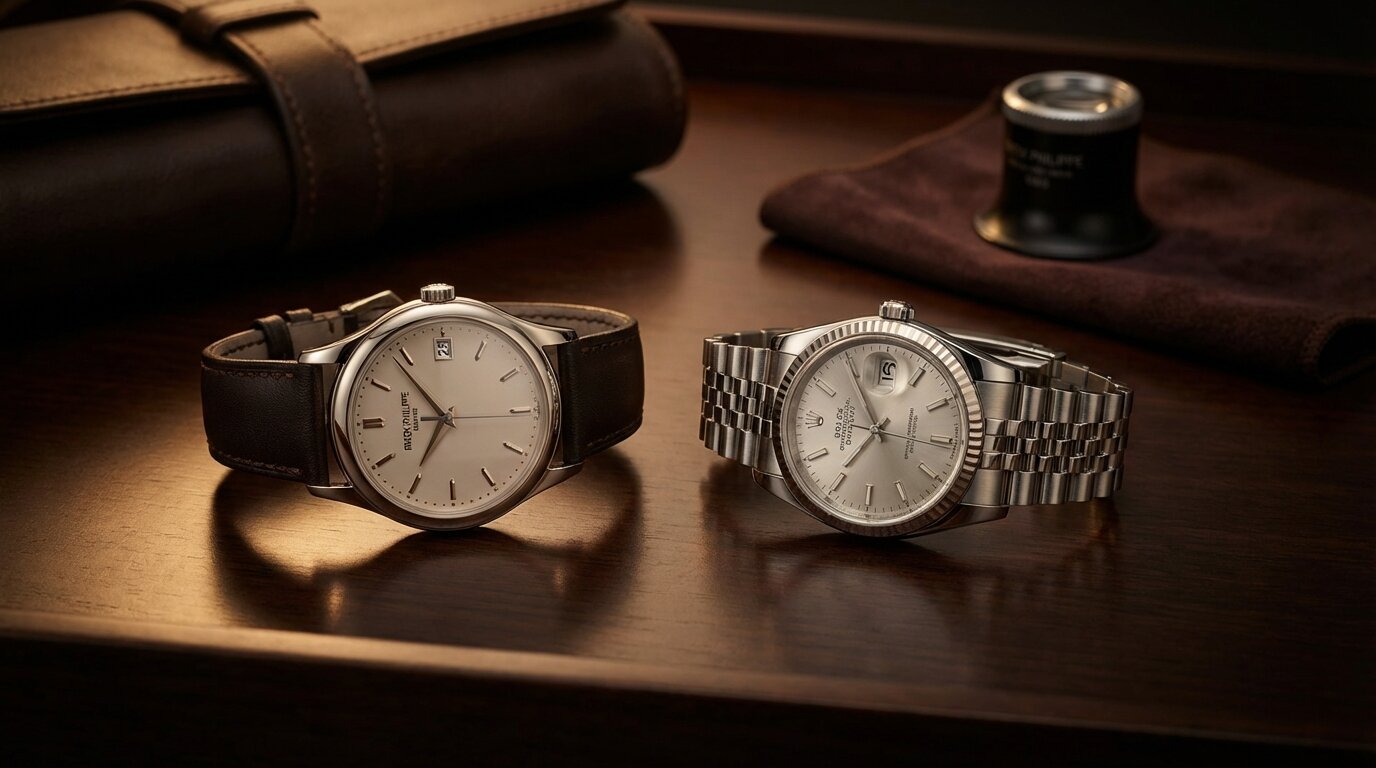
The 2026 question every serious buyer still asks
Patek Philippe versus Rolex is not a fair fight. It’s a revealing one. It tells you what you value when the price is already uncomfortable.
In February 2026 the market feels calmer than the hype suggests. The best pieces still move quickly. The middle ground has more stock than most people admit.
I sell to clients who want one watch to do everything. I also sell to collectors who treat a dial like a document. Those are different instincts. Patek and Rolex serve them in very different ways.
Status versus stature
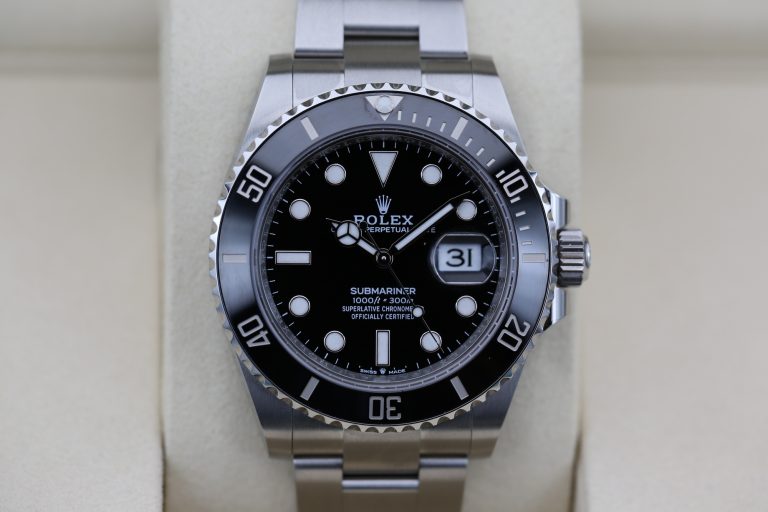
Rolex is the most legible status symbol in modern luxury. You can spot a Submariner from a café table in Marylebone. That’s the point.
Patek Philippe is quieter. The brand wants you to feel initiated. The person across the room is not supposed to recognise it.
Production tells its own story in 2026. Market estimates put Rolex output around 1,000,000 watches a year. Patek Philippe is often cited closer to 60,000.
Rolex wins mass desirability. Patek wins watchmaking stature. If you want both then you’re shopping for two different lives.
Design codes that do not need explaining
Rolex designs are industrial. That’s not an insult. The cases are consistent. The bracelets feel engineered for daily impact.
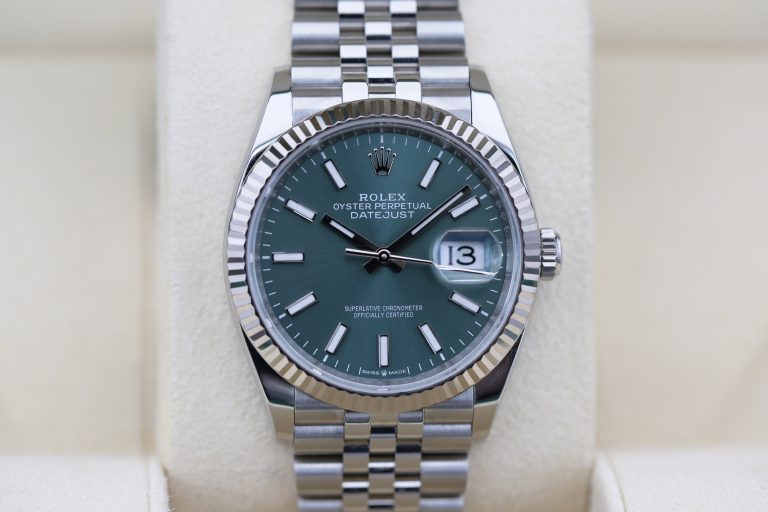
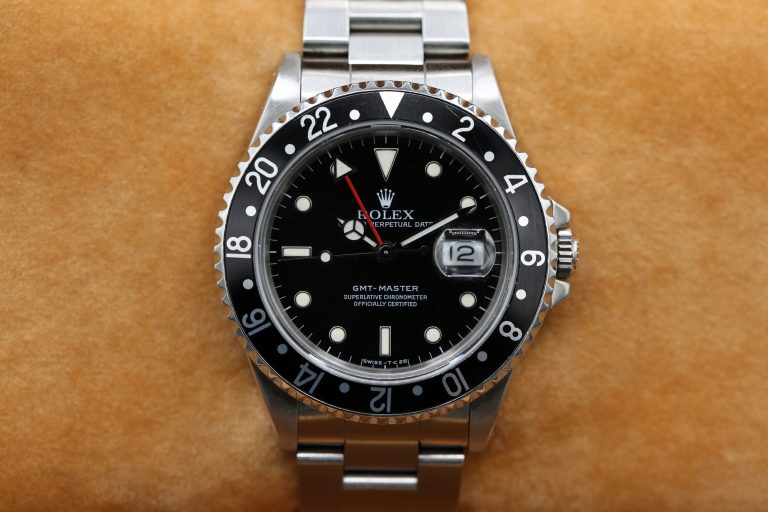
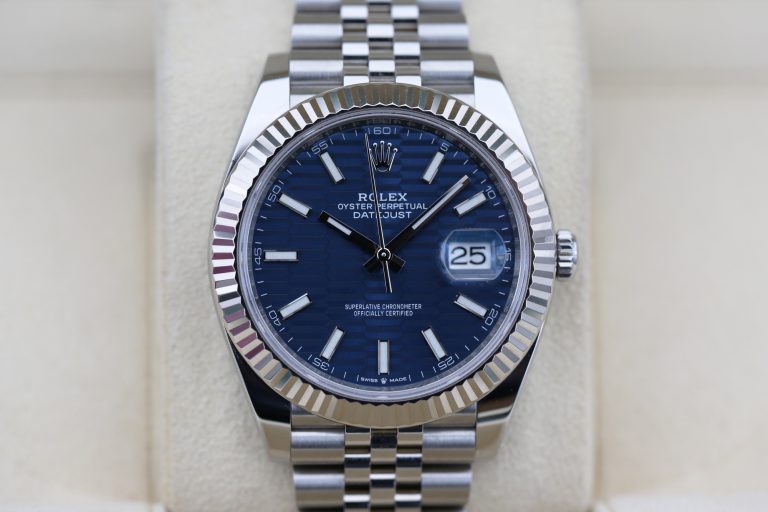
In 2026 the core Rolex look is still the same playbook. Submariner for the diver fantasy. GMT Master II for the airport fantasy. Datejust for everyone who wants a watch that never looks wrong.
Patek Philippe uses a broader vocabulary. Calatrava lines are clean. Complication dials can be busy on purpose. Nautilus and Aquanaut still sit at the centre of the modern demand story.
The uncomfortable truth is that many buyers only want steel sports. That narrows the argument. It also makes Patek feel artificially small.
Movements and finishing under a loupe
Rolex movements are built for predictability. The brand sells consistency more than romance. The feel is tight. The winding is purposeful.
Rolex still positions its modern calibres around daily accuracy. The published tolerance is commonly quoted as -2 to +2 seconds per day after casing. That’s a serious promise for a mass producer.
Patek Philippe sells finishing as part of the product. Anglage and striping matter because clients expect them to matter. You pay for time spent on details you may never photograph.
Patek’s own seal sets expectations on rate performance in 2026. You’ll often see figures quoted around -3 to +2 seconds per day for larger movements. Small calibres can allow a wider band.
Materials and the feel on the wrist
Rolex steel is a selling point. The bracelets are the real product for many clients. A Jubilee on a Datejust still has a particular shimmer under London shop lighting.
Rolex gold in 2026 is brilliant. It’s also loud. Some clients love that. Some clients regret it within a fortnight.
Patek Philippe steel feels different. It’s often slimmer. The finishing is more nuanced. The watch can feel delicate next to a chunky sports Rolex.
Patek precious metal pieces can be sublime. They can also feel like museum objects when your week includes the Tube. That matters more than people admit at the first appointment.
Buying one at retail in 2026 is its own sport
Walk into a Rolex authorised retailer on Bond Street in 2026 and you’ll see displays that look full. Ask for a steel Daytona and the conversation changes. You’ll hear the soft language of allocation.
Rolex waiting lists are not a single list. They’re a relationship system. Purchase history helps. Local profile helps. Being realistic helps most of all.
Patek Philippe retail can feel even more selective. Some references are effectively spoken for before they land. You’re buying into a long horizon.
The grey market is still part of the reality. I see clients do it for speed. I also see them regret paying a premium when the mood cools.
The money bit, with pounds and percentages
In 2026 there’s still a gap between list price and real world price for certain steel sports watches. That gap is not uniform. It depends on model. It depends on condition. It depends on paperwork.
As a rough guide in the UK market, hot Rolex sports can trade at 10% to 90% over list. Hot Patek sports can sit at 30% to 160% over list. Dress Patek often behaves very differently.
Clients hate hearing this. A Calatrava can be a better watch than an Aquanaut. It can also be a weaker trade when you exit. That’s not morality. It’s demand.
| Brand | Model | Typical UK list price feel in 2026 | Typical UK pre owned asking range in 2026 | What I see in shops |
|---|---|---|---|---|
| Rolex | Submariner Date | £9,000 to £10,500 | £9,500 to £12,000 | Often near list if you can wait. Clean full set sells fast. |
| Rolex | Cosmograph Daytona in steel | £13,500 to £16,000 | £20,000 to £30,000 | Still a social token. Most buyers cannot get retail access quickly. |
| Rolex | Datejust 36 on Jubilee | £7,000 to £9,000 | £6,500 to £9,500 | The sensible Rolex. Availability is better than the internet suggests. |
| Patek Philippe | Calatrava time only | £24,000 to £35,000 | £18,000 to £32,000 | Often underappreciated. Best value is usually pre owned. |
| Patek Philippe | Aquanaut in steel | £24,000 to £35,000 | £40,000 to £70,000 | Demand stays intense. Sporty look with real scarcity. |
| Patek Philippe | Nautilus in steel | £35,000 to £50,000 | £80,000 to £160,000 | Still the lightning rod. Clients buy it for the story as much as the watch. |
Resale value is not the same as value
Rolex resale strength in 2026 is real. It’s also uneven. The hype watches stay buoyant. The odd configurations can sit for months.
Patek Philippe resale is brutally model dependent. Steel sports can look like a magic trick. Many complicated gold references trade with heavy discounts.
This is where people confuse price with quality. A watch that loses money can still be a better object. You just need to be honest about why you bought it.
I’m mildly sceptical of anyone who claims they’re buying a watch purely as an investment. They usually want the attention as well.
Servicing, aftercare, long ownership
Rolex servicing in the UK is straightforward. The network is large. Turnaround can still be slow in busy periods. Parts access is generally excellent when you stay inside the system.
Typical servicing costs in 2026 can vary. A simple Rolex service might land around £600 to £1,200 depending on model and parts. A chronograph can push higher.
Patek Philippe service is a different rhythm. The brand is careful. Some work goes back to Geneva. That means time.
Costs can be serious in 2026. A basic Patek service can start around £1,000 to £2,500. Complications can climb into £5,000 plus territory.
Which should you buy in 2026
If you’re choosing one watch for daily use then Rolex is the easier call. It’s tough. It’s legible. It travels well.
If you’re building a collection then Patek Philippe is the deeper rabbit hole. You get craft plus heritage. You also get more moments where only you know what’s on your wrist.
- Choose Rolex if you want durability plus liquidity
- Choose Patek if you care about finishing plus complications
- Buy pre owned if you hate waiting lists
- Try the watch on twice. Once in the morning. Once after a long day
A final word, plus sources I actually point clients towards
The truth in 2026 is that Rolex is the best luxury sports watch brand at scale. Patek Philippe is the more rarefied watchmaker. Neither makes the other irrelevant.
If you want my bias then here it is. I trust Rolex when the watch has to earn its place. I respect Patek Philippe when the watch is allowed to be impractical.
Further reading from a few useful summaries:
- G and G Timepieces on Patek Philippe versus Rolex
- WatchGod comparison piece
- Bob’s Watches editorial overview
- The Luxury Hut guide
If you’re still torn then do the sensible thing. Buy the watch you’ll wear on a wet Tuesday. Save the fantasy piece for later.