
Rolex was never just a watch. It was a sales pitch with engineering behind it.
Rolex history starts with two men who understood timing in every sense. They knew when to move markets. They also knew when to shut up and let the product do the talking.
The Rolex brand story gets retold like folklore. The reality is sharper. It’s about distribution, quality control, paperwork, and the kind of discipline most brands can’t keep for a decade.
Rolex begins in London, not in a mountain chalet
Rolex is often treated as purely Swiss. The founding setup was more cosmopolitan. London mattered because it was a trading hub with customers who cared about punctuality.
That matters to the Rolex founders narrative. The first job wasn’t romance. The first job was getting dependable wristwatches into the hands of people with money.
In our experience, readers underestimate how commercial the early operation was. Rolex didn’t wait for the world to come to it. It went after jewellers, importers, and anyone who could shift stock.
Rolex lays out its own early timeline clearly on its site. It’s worth reading as a brand document rather than a museum label. Use the official early history page as a starting point.

Rolex founders: Hans Wilsdorf’s nerve, Alfred Davis’s grounding
Rolex was shaped by two complementary temperaments. Hans Wilsdorf had ambition and a marketer’s instinct. Alfred Davis brought structure and a business partner’s restraint.
This is the cleanest way to frame the Rolex brand story. One man pushed the vision. One man made sure bills were paid and orders were fulfilled.
If you want a neutral overview for quick context, the Rolex page on Wikipedia summarises the broad arc. Don’t treat it as gospel. Do treat it as a map.
For a more founder-led angle, the Hans Wilsdorf Foundation’s publishing arm has a useful profile. Start with The man behind the crown. It reads like approved history because it is.
The early Rolex supply chain was the real breakthrough
Rolex didn’t begin with a magical manufacture. It began with sourcing. It selected components and movements that could be regulated and trusted.
That sourcing mindset is a thread that runs through Rolex history. The brand got obsessive about consistency. The obsession wasn’t abstract. It was commercial survival.
Retail editors like me care about this because it explains today’s behaviour. Rolex still thinks in systems. It thinks in tolerances, service intervals, and what a customer will notice after two years.
The best independent summary I’ve seen recently is this long read from a UK retailer perspective. Try Behind the brand: the history of Rolex for colour and retail context.
Rolex and accuracy: the brand’s first real flex
Rolex built prestige through timekeeping performance. That sounds obvious. It’s still the most defensible luxury claim a watch brand can make.
The early playbook was simple. Prove accuracy. Get it recognised by institutions. Then repeat it until the public stops questioning you.
This is where Rolex watch pioneers become more than a slogan. The pioneers weren’t only founders. They were also technicians who regulated movements and chased repeatable results.
In 2026 terms, this is like winning the spec sheet war without shouting about it. Most buyers can’t define amplitude. They can spot a watch that keeps good time month after month.

Waterproofing became theatre, then it became expectation
Rolex turned a technical feature into a public test. That move changed the brand’s tone. It stopped being a nice wristwatch supplier. It became a problem-solver for real life.
Water resistance is also where the Rolex brand story gets a little smug. The brand earned that swagger. Competitors copied the language, then copied the look.
From a shop-floor angle, this is the birth of the modern Rolex customer. They want a watch they can wear in the rain. They also want to feel clever for choosing the “safe” option.
That psychology is still alive in 2026. A buyer can be nervous about scratches. They still relax when they hear “Oyster case” from a salesperson they trust.
Perpetual winding and the long game of daily wear
Rolex pushed the idea of the everyday automatic. The message wasn’t glamour. The message was convenience.
That matters for Rolex legacy. A luxury product that’s easy to live with gets worn more. A product that gets worn becomes emotionally sticky.
We see this daily with clients who swear they’ll rotate watches. Most of them default back to one Rolex because it just works. It sits right. It winds itself. It doesn’t complain.
The quiet genius is that the engineering supports the marketing line. That’s why Rolex history reads like a sequence of features that turned into habits.
Retail discipline is part of the Rolex machine
Rolex is a product story. It’s also a paperwork story. Serial formats, presentation sets, service documentation, and consistent packaging all shape trust.
In April 2026, Rolex changed its warranty card design. The new card has a wood-grain style effect. The older shiny green style is now easier to spot at a glance.
If you buy at the moment, that detail isn’t trivia. It helps you date a set quickly. It also helps you avoid a mismatch between watch, card, and claimed provenance.
The client explains the change clearly in this short breakdown of the new Rolex warranty card. Their advice is practical. Check for the wood-grain effect on pieces sold from mid-2026 onwards.

What the founding mindset looks like on a 2026 retail counter
Rolex today is bigger than any one founder. The founder mindset is still visible. It shows up as consistency. It shows up as an insistence on full sets. It shows up as incremental tweaks that drive collectors mad.
In our experience, the fastest way to understand Rolex legacy is to handle a few references side by side. You feel the case geometry. You see how dials catch light under shop LEDs. You also notice which models buyers ask for first.
Here is a snapshot of pieces our client actually has in stock at the moment. These are real retail figures. They aren’t pub chat pricing.
| Model | Client price (2026) | Why it sells |
|---|---|---|
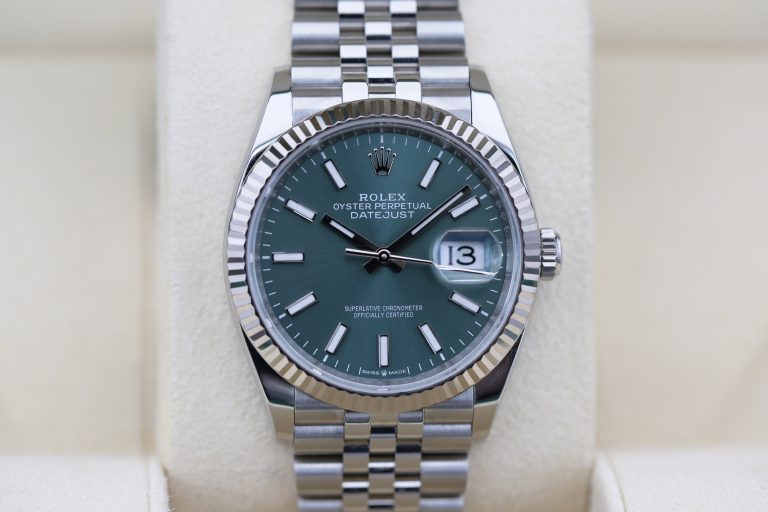
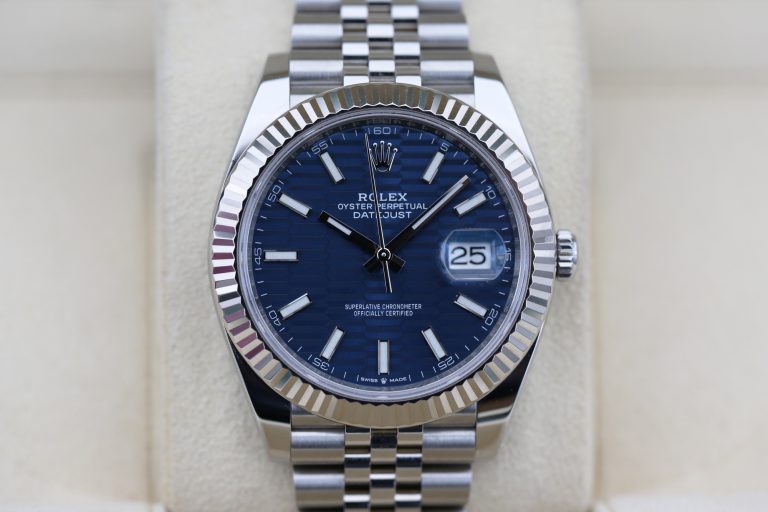
| Rolex 126334 Datejust 41 Blue | £13,350 | Clean daily wearer with modern proportions |
| Rolex 126334 Datejust 41 Wimbledon | £13,500 | Dial identity that reads from across a room |
| Rolex 336934 Sky-Dweller 42 Blue | £17,995 | Complication appeal without looking fussy |
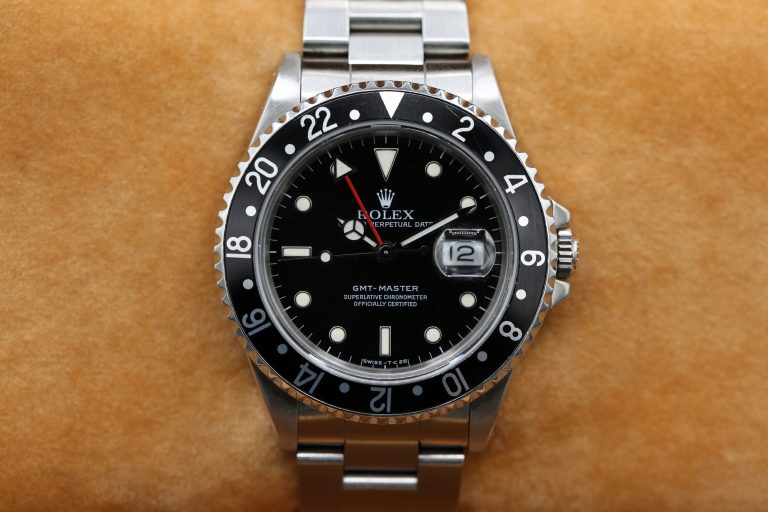
| Rolex 126710GRNR GMT-Master II Black | £16,450 | Travel utility with collector heat |
Rolex is also about choice within a tight framework. The client runs through current favourites in this quick tour of new stock Rolex models. It’s the closest thing to a real counter chat you can get online.
Rolex watch pioneers are not only inside the company
It’s tempting to keep every pioneer inside the brand walls. That is tidy marketing. It also misses what collectors actually do in 2026.
Collectors compare Rolex to independents with extreme finishing. They compare it to niche makers with tiny output. They do that to recalibrate value, then they still come back to Rolex for everyday certainty.
A good example is the current buzz around an independent like Recep Recepi. The production is limited. The finishing is serious. The price discovery happens fast once auctions get involved.
If that world is new to you, watch this introduction to Recep Recepi as a hidden gem in watchmaking. It frames the collector mindset well. It also highlights why Rolex scarcity narratives land so easily.

Documentaries, myth-making, and why the crown stays on
Rolex controls its image with unusual tightness. That can feel sterile. It also keeps the brand from being diluted by trends.
The brand also knows when to invite the public in. It does that on its own terms. The result is closer to a family archive than a tell-all.
For an example of that controlled access, see the brand’s post about its documentary series. It’s framed as unprecedented access. It’s still filtered through the Rolex lens. Here is the Rolex documentary series announcement.
This matters because Rolex history is now a product. Every myth has a purpose. The purpose is reassurance for the next buyer.
The modern buyer’s reality check in 2026
Rolex is aspirational. It’s also a minefield for the careless. Condition, set completeness, and correctness of cards matter more than most first-time buyers expect.
We see three recurring mistakes. People ignore the details. People chase the lowest price. People trust a story that’s not supported by the physical set.
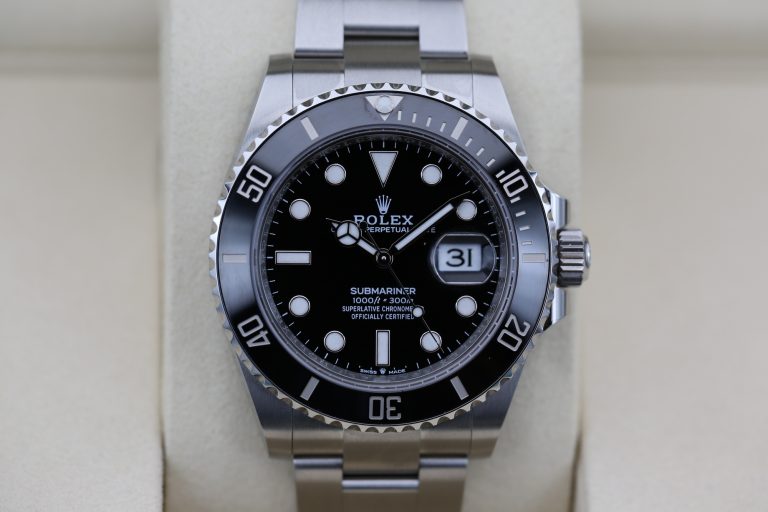
When a deal is genuine, it can be worth moving quickly. The client’s Rolex Submariner 126610LV deal clip shows how a real retail listing is presented. You get reference clarity plus the selling format. You also get a sense of what “full set” actually means in practice.
If you want a simple checklist, keep it short:
- Match card style to the claimed sale period, especially in 2026
- Check the dial and bezel condition under harsh light
- Ask for service history evidence where it exists
- Prioritise sellers who can explain provenance without theatrics
Why the founding fathers still matter for Rolex in 2026
The reason we still talk about founders isn’t sentiment. It’s behaviour. Rolex founders set a tone of control and repeatability that the company never dropped.
That’s why Rolex brand story keeps working even when the market gets noisy. The product is consistent. The aftersales structure is consistent. The brand voice is consistent.
Rolex legacy is also a retail reality. It keeps pre-owned values supported. It keeps servicing predictable. It keeps first-time buyers coming back for a second piece instead of switching brands.
That is the real pioneer move. Build a system that outlives you. Then let the crown do the talking.
Frequently Asked Questions
Who were the Rolex founders?
Rolex founders are Hans Wilsdorf and Alfred Davis. Wilsdorf drove the vision and marketing. Davis anchored the early business structure and operations.
Where did Rolex start?
Rolex started with a London-based business that sourced Swiss watchmaking capability. The brand later became strongly associated with Switzerland. The early commercial logic was international from the start.
What is the shortest way to explain Rolex history?
Rolex history is a sequence of practical improvements that became public expectations. Accuracy came first. Water resistance and everyday durability followed. The brand then turned that reliability into status.
Why does Rolex change small things like warranty cards?
Rolex uses small updates to standardise presentation and support traceability. In April 2026, the warranty card design changed to a wood-grain effect style. That detail helps buyers identify the era of a set quickly.
Is Rolex mainly about marketing?
Rolex marketing is powerful. It works because the product baseline is genuinely consistent. In our experience, buyers stay loyal when servicing and daily wear match the promise.
What should I check first when buying a Rolex in 2026?
Start with provenance and set completeness. Check the warranty card style and make sure it matches the claimed purchase period. Then inspect condition under bright light plus verify the seller’s credibility.
How does Rolex compare to modern independent watch pioneers?
Independent makers can offer extreme finishing and very limited production. Rolex offers scale, consistency, and predictable support. Many collectors enjoy both, then choose Rolex as the daily anchor.
Watch it explained
This guide draws on the shop’s own videos — watch them here: