
Rolex prices are not as random as they look
Rolex sits at the centre of the luxury watch conversation in 2026. Yet Rolex watch prices can look baffling once you cross a border.
A Submariner in London feels like one number. The same watch in Paris, Tokyo, Dubai, or New York becomes a different story. That is where global Rolex prices start to confuse people.
Most of the time, the brand isn’t “charging more” in a dramatic way. The gaps usually come from tax, currency, distribution costs, plus the grey market premium.
Get those moving parts straight. The Rolex cost variations start to make sense.
Rolex pricing strategy in 2026: one brand, many price lists
Rolex pricing strategy is built on control. Production is tightly managed. Allocation is tighter still. That allows the brand to keep retail pricing firm across markets.
Gallery Rare makes the point clearly. Official retail prices tend to stay reasonably consistent by country when you stick to boutiques plus authorised dealers.
That consistency is deliberate. It protects the idea of “fair value” for a Rolex, even when currencies swing. It also stops tourism from turning into a permanent arbitrage trade.
The January reset is part of the game
Rolex has a habit of annual price adjustments. In 2026, the key date is 1 January 2026. Bob’s Watches reports a global increase that hit stainless steel models at roughly 5 to 6%.
Precious metal is where it bites harder. Bob’s Watches puts gold and other precious metal pieces up around 8 to 9% at the same reset.
Kettle Club talks about the same pattern. Steel tends to move gently. Two-tone plus gold can jump faster. That split explains why two shoppers can argue about “Rolex going mad” then both be right.
Rolex cost variations are often just tax in a nicer suit
If you want the blunt truth, taxes do most of the heavy lifting. VAT, GST, sales tax, plus import charges can turn a “cheaper country” into a false economy.
In the UK, VAT at 20% is baked into the ticket price. In parts of Europe, you might see a similar headline rate. The difference is the tourist refund process.
Buy in France as a visitor. You may reclaim some VAT. The saving can look huge on paper. The admin can be grim at the airport. The refund is rarely the full VAT amount once fees are taken.
Japan is a good example of hidden maths
Gallery Rare highlights Japan as a place that can come out cheaper depending on model plus exchange rate. The same piece also underlines the catch. Taxes still appear when a watch crosses a border.
Gallery Rare gives a specific Japanese rule of thumb. A Rolex bought overseas can be taxed at 10% on 60% of the item’s value. That is an effective hit of about 6% before you argue about valuations.
Here’s the simple version. Bring in a £10,000 watch. A 6% effective charge is roughly £600. That can erase the “bargain” you thought you found in Ginza.
Currencies move faster than Rolex price tags
Currency is the silent troublemaker in buying Rolex worldwide. Retail pricing doesn’t update daily. FX does.
Parallel importers live off that gap. Gallery Rare describes how resellers can buy at favorable exchange rates. They can also exploit regional price differences. That is why the same reference can appear “discounted” in one city.
Bob’s Watches also points at exchange rate fluctuation as a driver of price increases. If the brand needs to protect margins in a key market, it will adjust. That isn’t romance. That is finance.
Even a small swing matters. A 5% move in sterling versus the yen can wipe out your flight saving. It can also make a UK boutique feel suddenly “good value” for a Rolex.
Authorised dealers, parallel imports, grey market: the price gap lives here
If you only compare authorised dealer price lists, the world looks fairly tidy. The mess starts when you compare authorised stock to what is actually available for immediate purchase.
Gallery Rare is direct about it. Parallel imports can be cheaper because the seller isn’t bound to the brand’s fixed retail pricing. The seller sets their own number.
That is also where risk enters. Gallery Rare flags counterfeits as a real issue when you shop outside the official channel. In 2026, the fakes are convincing enough to fool casual buyers.
The most common trap is the “too clean” deal in a tourist district. The paperwork looks right. The watch looks right. The serial looks right. Then your service centre doesn’t agree.
Scarcity premiums are not evenly global
Rolex allocations vary by city. Bond Street can feel tight. Zurich can be tighter. Dubai can be oddly deep on some models, then empty on others.
This is where global Rolex prices become personal. If your local authorised dealer has a two-year wait, the “price” you feel is the pre-owned price.
Kettle Club’s pricing commentary reflects that split. A steel sports Rolex can trade above list price in the secondary market. Gold can behave differently when retail rises faster than demand.
Rolex watch prices in practice: three buying routes with real numbers
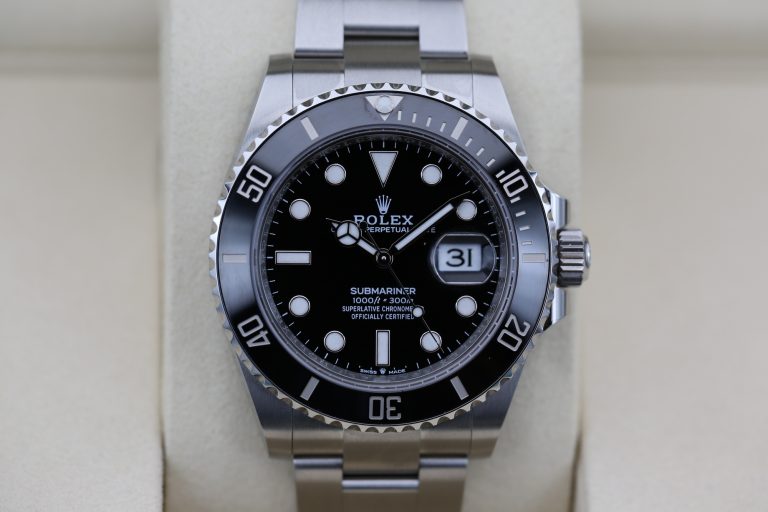
Let’s ground this in the sort of figures UK buyers are seeing in 2026. Kettle Club cites a UK catalogue position of about £8,100 for a no-date Submariner. It also cites about £13,600 for a steel Daytona.
Now apply the 1 January 2026 reset that Bob’s Watches describes. A 6% lift on £8,100 adds roughly £486. A 9% lift on a gold piece adds even more in cash terms.
The point isn’t the exact penny. The point is the shape of the change. Percentage moves hit higher references harder, even when the headline number sounds similar.
| Route | Typical 2026 headline | What usually changes the final cost |
|---|---|---|
| UK authorised dealer | Clear RRP in £, VAT included | Waiting time, model allocation, fewer negotiation options on Rolex sports lines |
| EU boutique as a visitor | Looks cheaper after VAT refund | Refund fees, customs declarations on return, service support comfort level |
| Tokyo parallel import shop | Can undercut due to FX plus sourcing | Local consumption tax treatment plus your home import position, authentication diligence |
| US retail during tariff noise | Potential sticker shock on new stock | Bob’s Watches highlights tariff shifts plus currency adjustments that can inflate new Rolex pricing |
If you want a rough pre-owned sense check, Jestik Collection’s model-by-model ranges show a familiar pattern. Stainless sports references often trade above new. Dressier lines can sit closer to retail.
That gap is why people talk past each other. One person is quoting catalogue. Another is quoting what it costs to walk out today with the watch.
The stuff nobody mentions at the till
Rolex is expensive for reasons beyond metal. Gallery Rare talks about brand recognition as a premium. It also points out that production costs aren’t public, with industry-style estimates putting the production cost ratio around 15%.
That doesn’t mean Rolex is “cheap to make”. It means you’re paying for the whole machine. Research, tooling, distribution, marketing, service infrastructure, plus the controlled scarcity that props up the brand’s position.
Gallery Rare also claims a Rolex can often be resold for at least 60% of retail after years of wear. That resale floor changes buyer behaviour. It keeps demand sticky even after January increases.
This is why some markets feel less price sensitive. The buyer isn’t only buying a watch. They’re buying an asset with a plausible exit price.
Buying Rolex worldwide without surprises
If you’re serious about buying Rolex worldwide, treat it like a purchase plus a logistics exercise. A cheap number in a display case isn’t the full bill.
I also don’t buy the internet myth that there’s one “cheapest country” for every reference. Gallery Rare itself says official retail prices don’t vary much by country. The gaps come from taxes plus parallel channels.
- Ask for the full tax position before you pay
- Check warranty paperwork plus named dealer details
- Price the return leg including declarations
- Authenticate like a cynic, even in smart shops
Also keep an eye on timing. If you’re shopping in late December, you’re shopping before the 1 January reset. In 2026, that reset isn’t theoretical. Bob’s Watches puts numbers on it.
If you’re shopping after the reset, don’t panic. It’s often better to buy calmly than chase a “pre-increase” deal that turns into a compromised purchase.
So where is the cheapest place to buy Rolex in 2026?
My view is unfashionable. The cheapest place to buy a Rolex is the place where you can buy the right watch with paperwork you trust. The price comes second.
If you want a pure value hunt, Japan can still be compelling in 2026. Gallery Rare argues it often comes out least expensive in their comparisons. The tax mechanics still matter. Exchange rates still matter.
If you want the lowest risk, buy from an authorised dealer in your home market. Pay the VAT. Get the relationship. Take the call when the allocation finally lands.
If you want the fastest route, buy pre-owned from a known specialist. Bob’s Watches makes the point that previously imported pieces can dodge repeated retail resets tied to tariffs. In the UK, that logic maps neatly onto established pre-owned dealers in Mayfair plus Hatton Garden.
Reference sources used
| Source | Used for |
|---|---|
| Gallery Rare on why Rolex is expensive | Brand premium, materials, resale framing, production cost ratio estimate |
| Jestik Collection Rolex prices article | Model range comparisons for new versus pre-owned pricing behaviour |
| Bob’s Watches on 2026 price increases plus tariffs | 1 January 2026 increase percentages, tariff plus currency adjustment context |
| Kettle Club January 2026 outlook | UK catalogue reference points, 2026 expectations by material category |
| Gallery Rare guide on cheapest country to buy Rolex | Parallel import framing, Japan tax example, practical buying cautions |