
What Changed on 1 January 2026
Rolex did what Rolex always does. It reset the retail baseline on 1 January 2026. The new January price list is now the reference point for every authorised retailer in the UK.
The scale matters this year. Oracle Time puts the average UK price rise at 5%. The same piece flags expected UK inflation of around 2.5% for 2026. Late 2025 inflation is cited at around 3.5%.
That gap is the story. This is not a tidy inflation adjustment. This is pricing power.
Across Europe, the pattern looks similar. Monochrome Watches describes a 1% to 6% move depending on metal. Wristler frames the confirmed January changes at 2.5% to nearly 6%.
The UK price comparison table
These are UK retail prices pulled from Oracle Time. They compare 2025 with January 2026. I have kept this to widely recognised references.
| Reference | Model | 2025 Price | 2026 Price | Change |
|---|---|---|---|---|
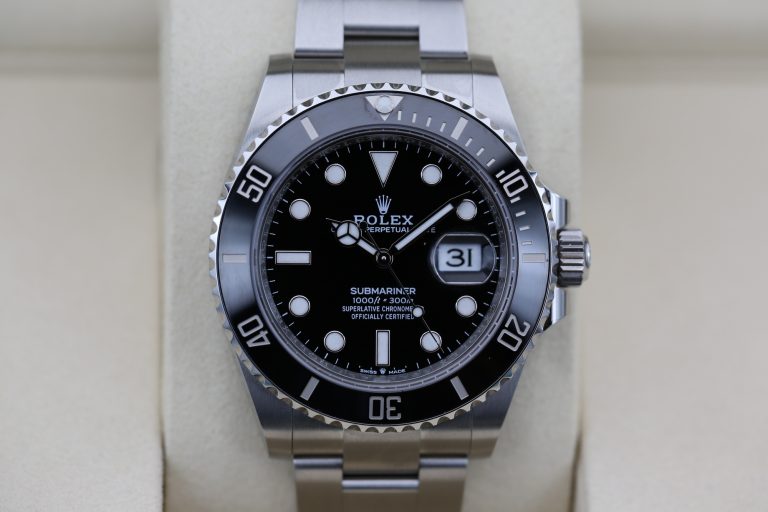
| 124060 | Submariner No Date | £8,100 | £8,450 | +4.3% |
| 126500LN | Cosmograph Daytona steel | £13,600 | £14,050 | +3.3% |
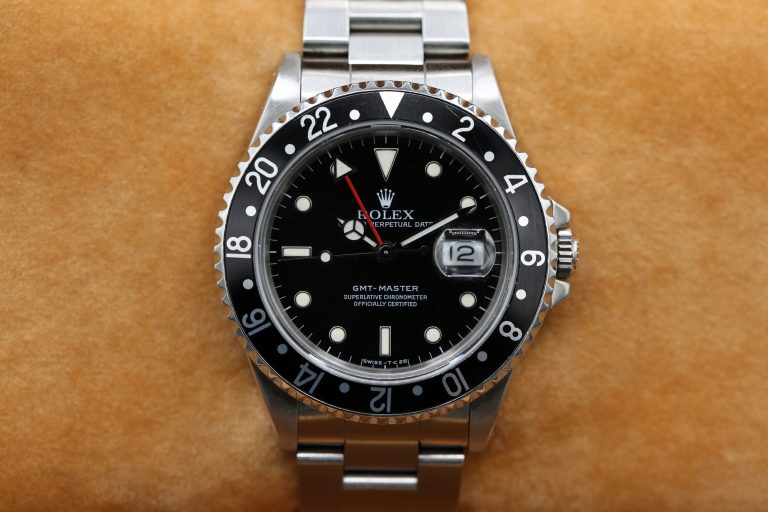
| 126710BLRO | GMT-Master II Pepsi on Jubilee | £9,650 | £10,050 | +4.1% |
| 126900 | Air-King | £6,600 | £6,800 | +3% |
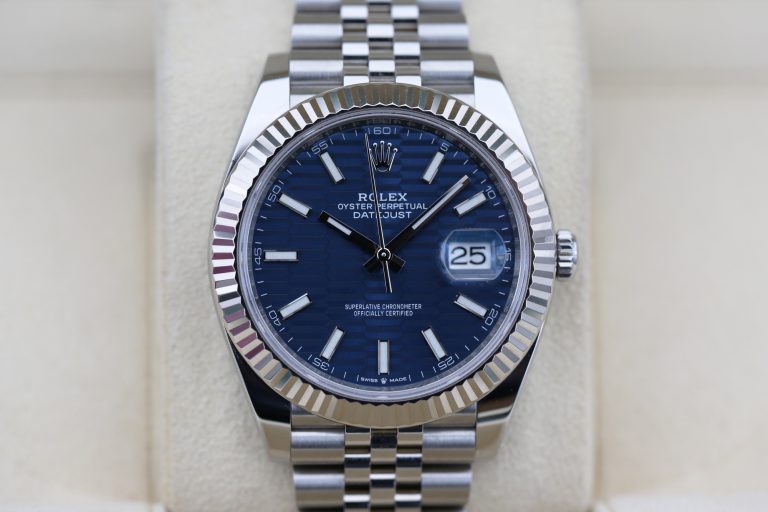
| 126300 | Datejust 41 | £7,200 | £7,450 | +3.47% |
| 228239 | Day-Date 40 white gold | £40,400 | £43,100 | +6.7% |
| 126067 | Deepsea Challenge | £23,450 | £24,200 | +2.8% |
| 126655 | Yacht-Master Everose gold | £28,150 | £29,950 | +6.4% |
| 52509 | 1908 | £22,650 | £24,050 | +6.2% |
| 224270 | Explorer | £6,750 | £6,950 | +3% |
| 336934 | Sky-Dweller | £14,350 | £14,950 | +4.2% |
| 126600 | Sea-Dweller | £11,750 | £12,150 | +3.4% |
| 134300 | Oyster Perpetual | £5,650 | £5,900 | +4.4% |
| 127334 | Land-Dweller | £13,050 | £13,700 | +5% |
The spread is revealing. Tool watches moved. Precious metal moved harder. Nobody escaped.
Steel icons moved. Not gently
The lazy take is that steel stayed calm. It didn’t. The steel favourites rose just enough to be felt at the till.
The Submariner No Date is now £8,450. That’s a £350 move year on year. The percentage looks polite at 4.3%. The cash difference is not polite.
The GMT Master II Pepsi is the psychological one. It now sits at £10,050. That’s the first time this reference clears five figures at retail in the UK. Oracle Time calls that milestone out directly.
The Daytona remains the quiet bully. The steel 126500LN rose to £14,050. The percentage is 3.3%. The waiting list dynamics do the rest.
Entry points crept upward too
The Air King is often dismissed by collectors. Retail clients buy it because it’s obtainable. It’s also the reference that gets new customers into a relationship with an authorised retailer.
That “entry” piece is now £6,800. The Explorer is £6,950. Neither looks aggressive on paper at 3%. Both are noticeably higher than they were when these models were treated as walk-in stock.
Then there’s the Oyster Perpetual. It’s now £5,900 for the reference listed by Oracle Time. That’s a 4.4% rise. It sits uncomfortably close to what Datejust money used to be.
I’ve seen this exact shift across Mayfair since late December. Clients who were “nearly there” on budget suddenly had a gap again. Rolex pricing does that very well.
Precious metal pricing looks like a different conversation
If you want the real punch, look at white gold, Everose, and the dress collections. The Day Date in white gold moved to £43,100. That’s a 6.7% change. It’s also a very blunt reminder that precious metal Rolex is where the brand protects margin.
The Yacht Master Everose is now £29,950. That’s a 6.4% jump. This is not a watch you buy because you found it “good value”. You buy it because you want Everose on Oysterflex.
The 1908 rose to £24,050. That’s 6.2%. Dress Rolex is still being positioned as proper luxury. It’s also being priced away from the idea of a “first nice watch”.
The Land Dweller is the other tell. It sits at £13,700 on the reference listed by Oracle Time. A 5% move on a new line signals confidence. It also signals that Rolex expects demand to do the heavy lifting.
Why buyers felt it immediately
Rolex always points to costs. That’s the polite explanation. Raw materials have been doing their thing for years.
Monochrome Watches highlights a familiar split by metal. It cites platinum models averaging 3.5%. It also cites gold Rolex watches averaging 5% to 6%.
It also adds useful context on last year. It says January 2025 hit two-tone models at about 8% on average. Full gold is quoted at about 12% on average. This year looks restrained beside that. I still don’t call it kind.
Wristler adds a longer view. It says older Rolex adjustments often averaged 3% to 4%. It then calls January 2026 a 2.5% to nearly 6% event depending on model. That’s not a “tiny annual tweak”.
The global picture complicates the narrative
UK buyers tend to forget that Rolex pricing is local. It’s also strategic. Different markets take different hits.
Monochrome Watches notes that the US saw much larger increases. The reason cited is tariffs. This matters because it shows Rolex will move pricing fast when politics interferes.
WatchMaestro also leans on that US story. It reports an expected US average of around 7%. It cites steel at roughly 5.6% with gold at roughly 8.7%. That’s a different world to the UK table above.
This is where my scepticism kicks in. Rolex can blame costs all day. It’s also tuning willingness to pay. January is when it gets to test the room.
The secondary market is not dead. It’s just choosy
Retail pricing is only half the market. Pre-owned behaviour tells you what buyers truly accept. The past few years have been a reality check for anyone who treated Rolex like a savings bond.
WatchCharts tracks market performance by brand. On its Rolex brand page, the Market Index sits at 22,631. It lists Value Retention at +11.3%. That tells you resale strength is still present.
The scale of trading is the other point. WatchCharts says it aggregates more than 176,000 Rolex listings in the past year. It also shows marketplace volume examples like 49,018 listings on eBay in the past 12 months. That’s a serious river of supply.
WatchCharts also states that new Rolex can trade above retail by 5% to 109% depending on reference. That wide range is the honest bit. Some pieces still carry a premium. Others don’t. Gold can be brutal for this.
How I would approach buying in 2026
If you’re buying for love, the new list is just the new list. If you’re buying for “value retention”, stop pretending you can outsmart the brand. You’re playing on their pitch.
My advice is boring. It also tends to work.
- Get the call first, then worry about colour
- Prefer steel for liquidity. Prefer gold for pleasure
- Check pre-owned pricing before you celebrate a retail allocation
- Budget for insurance valuations after the January reset
If you were already on an authorised dealer list, keep the relationship steady. Don’t posture about the price rise. Everybody got the same email.
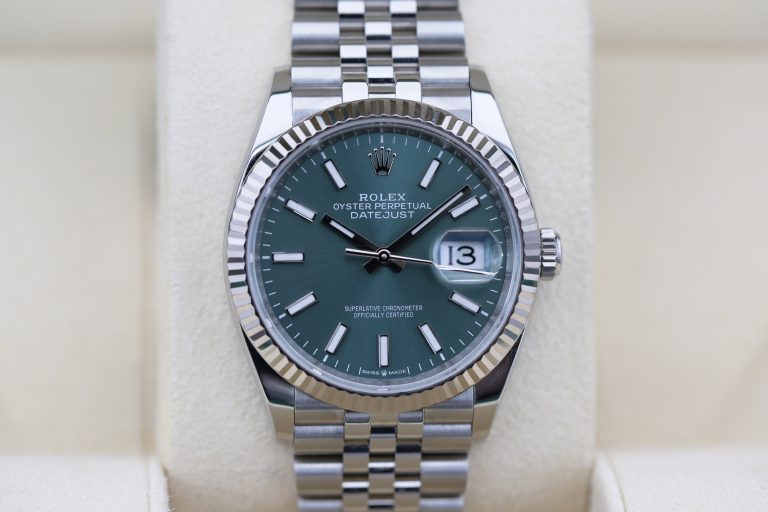
If you’re coming in cold, consider the less obvious references. A Datejust 41 at £7,450 still reads like a Rolex in any room. It also avoids the worst of the hype theatre.
The bigger point is simple. Rolex has moved the line again. The market will now reorganise itself around that new line. Give it a few weeks.