
Not every high flying Rolex on the secondary market is the one dominating social media. In fact some of the best long term performers are quietly appreciated by savvy collectors while staying out of the hype spotlight. These “unsung” Rolex models offer fantastic wearability and investment potential without the frenzy that follows icons like the Daytona or Submariner. At Kettle Club we’ve observed certain references consistently punching above their weight, delivering value and enjoyment to collectors who prefer substance over speculation.
Below we highlight the Rolex models we believe deserve more attention in 2026, along with tips on what to look for in each.
Rolex Air-King
What to Look For
- Crisp dial and original parts: Ensure the dial printing and hands are original and clean (no replacements or fading).
- Strong bracelet condition: A complete Oyster bracelet with minimal stretch indicates gentle use and better value.
- Upgraded movements: Newer Air-King references (e.g. ref. 126900) have improved calibers, so note the movement generation when comparing options.
The Air-King has always been something of an outlier in the Rolex catalog. Originally born from aviation heritage, it sports a simple, unpretentious design that has remained refreshingly consistent over the years. Modern Air-King models like the 40mm ref. 126900 introduced in 2022 combine that legacy charm with a bolder look and a chronometer certified movement for everyday reliability. Historically one of the more affordable Rolex sports watches, the Air-King is starting to gain popularity while still trading at approachable prices. That relative affordability, especially compared to the big names, makes it a sensible entry point for collectors in 2026 who want a robust, iconic Rolex without the hefty premium.
In our experience the Air-King offers fantastic value for money. It’s a Rolex you can wear daily thanks to its comfortable 40mm case and 100m water resistance, yet it flies under the radar (no pun intended) when it comes to speculation. We currently have a 2023 Air-King (ref. 126900) in stock for around £6,250, a price that’s hard to beat for a recent model Rolex with box and papers. For 2026 this model stands out as a smart choice for collectors looking for a modern Rolex sports watch that hasn’t been overhyped.
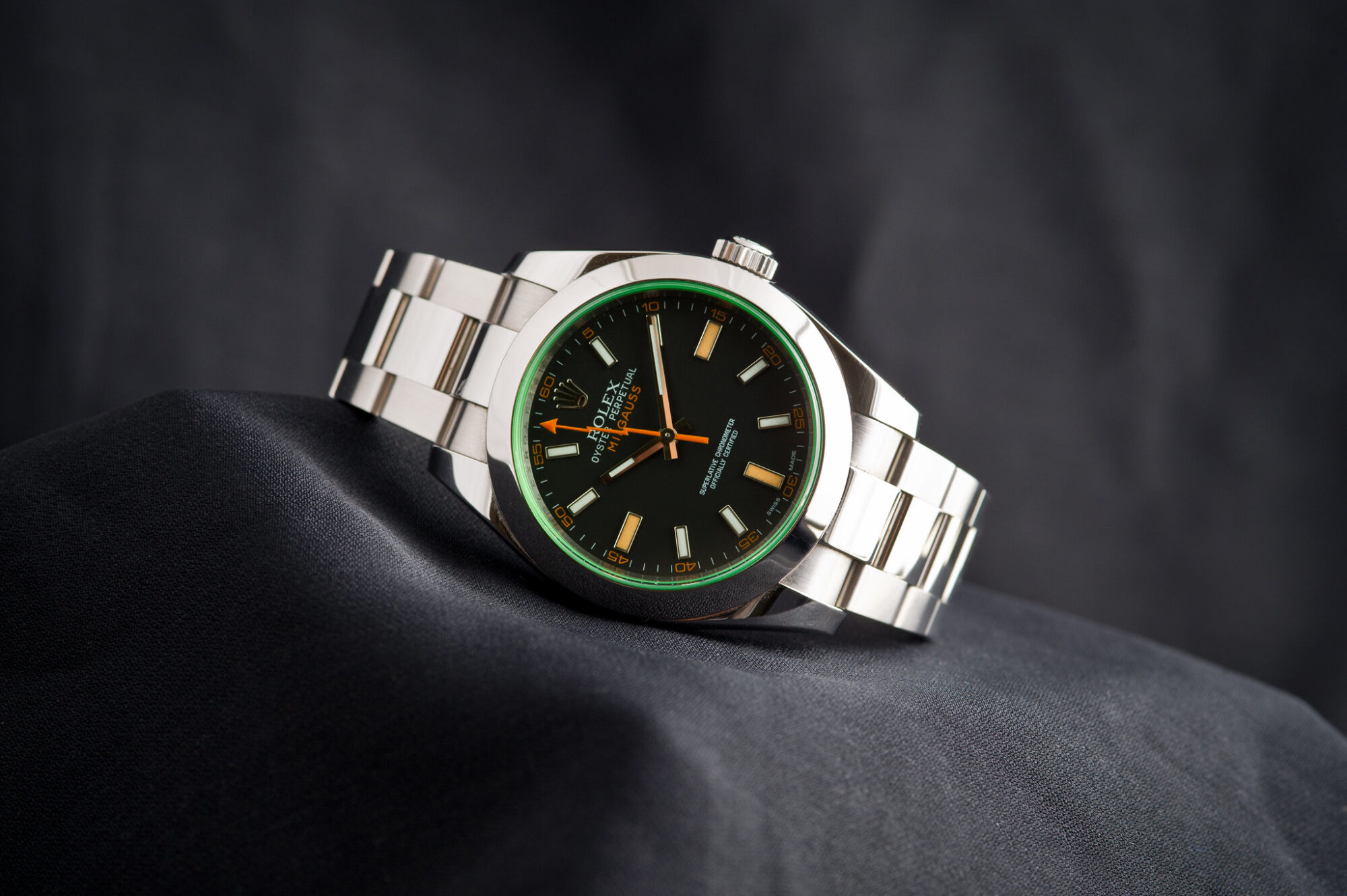
Rolex Milgauss
What to Look For
- Lightning bolt second hand: This quirky orange hand is the Milgauss’s signature – make sure any example has the correct lightning bolt seconds hand intact.
- Pristine crystal (especially GV models): Many Milgauss pieces feature a green-tinted sapphire crystal; check that the glass is clean with no cracks or clouding.
- Full set if possible: Box and papers add value, a complete set is ideal, as they’ve become harder to find after discontinuation.
The Rolex Milgauss has always marched to the beat of its own drum. Designed in the 1950s for scientists and engineers, it was built to resist magnetic fields up to 1,000 gauss, an impressive technical feat. For years it remained a niche model, beloved by a small cult of enthusiasts for its character and clear backstory. With its distinctive lightning bolt seconds hand and pops of colour (especially the Glace Verte green crystal variant), the Milgauss stood apart from every other Rolex offering.
In March 2023 Rolex quietly discontinued the Milgauss, retiring this “mad scientist” watch from the lineup. The news caused an immediate spike in interest, Google searches for “Milgauss” shot up overnight and collectors rushed to scoop up the remaining pieces. Not long ago the Milgauss was so overlooked that it was one of the few stainless steel Rolex models often selling below its retail price on the secondary market. That has swiftly changed. Prices have climbed (some dealers relisted Milgauss watches for well above original MSRP right after discontinuation), yet by historical Rolex standards the Milgauss is still reasonably priced and likely has more room to grow. With its unique legacy and now finite supply, this model has transitioned from under-the-radar to a must-have for collectors who want something truly different from a Sub or GMT.
Collectors’ Tip: If you’re eyeing a Milgauss, pay attention to condition and completeness. An unworn Milgauss 116400GV (green crystal) with full set is especially prized. While Rolex could always surprise us with a revival in the future, for now the only way to own this eccentric piece of Rolex history is to find a pre-owned example. 2026 might be an opportune time to grab one before prices potentially climb further due to its newfound “discontinued legend” status.
Early Oyster Perpetual “Stella” Dials
What to Look For
- Vibrant original dial colour: Seek examples with strong, unfaded dial hues, the charm of these models is their bright colour, so avoid ones that have discolouration.
- Unpolished case: Many Oyster Perpetuals were everyday watches, favor cases with sharp edges and minimal over-polishing to preserve collector value.
- Price sanity: Make sure the asking price reflects the current stable market, not the peak of the hype bubble – as values for these have cooled and normalized.
A few years ago Rolex did something unexpected, they added bright lacquer dials in an array of candy colours to the humble Oyster Perpetual line. In 2020 enthusiasts were treated to OP dials in turquoise blue, coral red, bright yellow and candy pink, inspired by vintage enamel “Stella” Rolex dials of the 1970s. The reaction was immediate and intense, these playful colours turned the understated Oyster Perpetual into one of the hottest tickets in town. In fact at the height of the frenzy, a turquoise OP 41mm (nicknamed the “Tiffany” dial) even sold for over £69,000, a staggering premium over its retail price. Rolex ended up producing these vivid dials for only a short run, discontinuing most of the hottest colours by 2022. This sudden scarcity only fueled the fire sending secondary prices skyrocketing in 2021–2022.
Fast forward to 2026 and the dust has settled. The initial hype around the brightly coloured Oyster Perpetuals has cooled off, bringing prices back down to more rational levels. This is precisely why they’re interesting again. Collectors are now reassessing these pieces with clearer eyes, they offer a simple, classic Rolex package with a punch of personality and a dash of modern history. The short production window (some colours were made for barely two years) means these references are likely to be considered modern classics in the future. Yet today you can find many of them at fair prices compared to their peak, essentially buying the dip on a fun and iconic watch. For example the Rolex Oyster Perpetual 41 ref. 124300 in Coral Red or Turquoise Blue encapsulates that era of exuberant design and now trades at a fraction of its once sky high premium. For those who love a pop of colour and a good story to go with their watch, the early OP “Stella” dials are a compelling choice in 2026.
Side note: Rolex has since shifted to more muted pastel OP dials and even did a quirky multicolour “Celebration” bubble dial in 2023. But it’s those original solid bright dials from 2020 – now gone – that remain the most talked about. Keep an eye out for one in excellent condition, as they’re poised to be future collectibles.
Rolex Datejust 36mm
What to Look For
- Original dial variants: Look for distinctive dials that are no longer produced (e.g. certain vintage linen textures, unique colours or rare marker styles) to add character and value.
- Healthy bracelet: For classic Datejusts on a Jubilee bracelet, check that the links have minimal stretch, a tight bracelet is a good sign of careful use.
- Smooth date mechanism: Test that the date wheel snaps crisply at midnight and the quick set works properly, indicating a well maintained movement.
The 36mm Rolex Datejust is the definition of a timeless classic. For decades it was the go to luxury watch, equally at home peeking from a shirt cuff at the office or worn casually on the weekend. In recent years however, the spotlight drifted toward larger sports models and even the Datejust 41mm, leaving the traditional 36mm somewhat in the shadows. But guess what? Tastes are shifting yet again. Collectors are rediscovering the appeal of classic proportions and industry experts note a rising trend towards 36mm watches for both men and women. This puts Datejust 36 in a very favorable position heading into 2026.
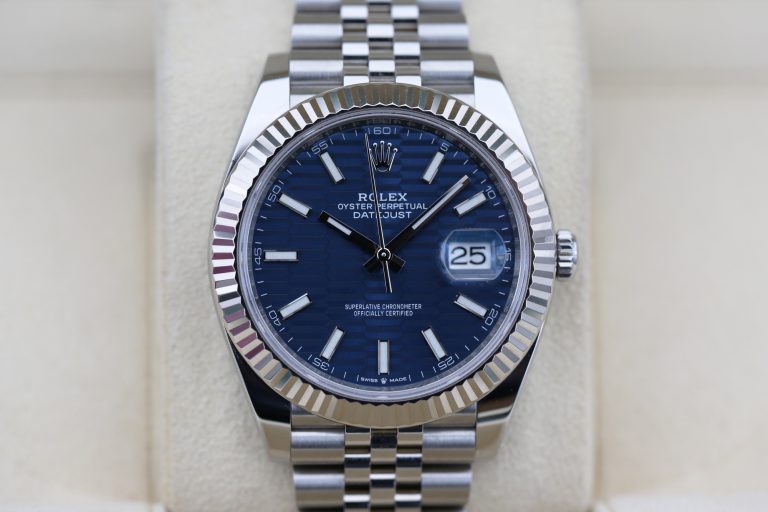
From a collector’s standpoint the 36mm Datejust offers tremendous variety and value. There are countless references and configurations, whether you fancy a steel model with a smooth bezel and Oyster bracelet for a modern look or a two tone gold with a fluted bezel and Jubilee bracelet for that quintessential vintage vibe. Many great examples from the 1980s–2000s era can still be found at accessible prices, especially compared to Submariners or GMTs. Vintage references like the Datejust ref. 1601, 1960s pie-pan dial or a two-tone ref. 116233 from the 2000s often provide fantastic value under the radar. These watches have the pedigree of the Rolex name, the practicality of the date complication and automatic movement and a design that quite frankly never goes out of style.
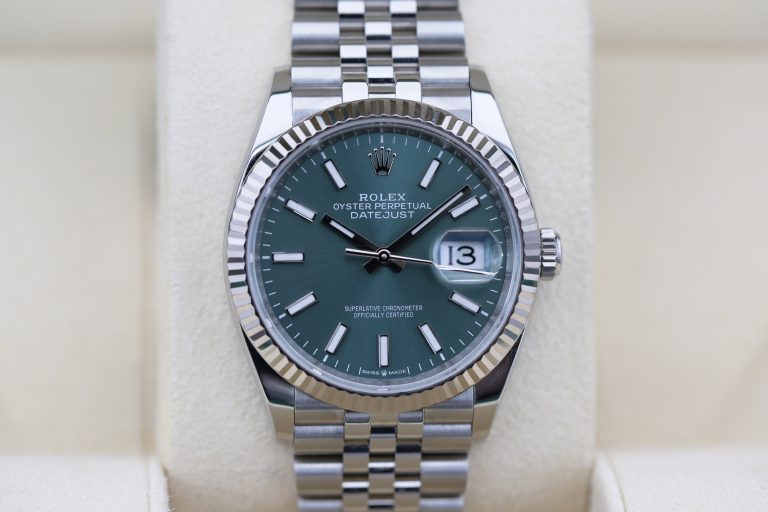
We’ve noticed renewed interest in the Datejust 36, especially unique dial variants. Collectors who already have the “hyped” sports models are coming back to appreciate the subtle sophistication of a classic Datejust. Whether it’s a champagne dial 16233 from the ’90s or a modern ref. 126234 with a mint green dial, the 36mm Datejust proves that true style is enduring. It’s hard to call such a famous model “underrated,” but in the current market context, the Datejust 36 offers one of the most reliable buys in the Rolex lineup, a watch that gives you flagship Rolex quality and heritage without chasing the latest fad.
Older Rolex Explorer II (40mm Models)
What to Look For
- Crisp bezel engravings: The Explorer II’s fixed 24-hour steel bezel should have sharp, legible numbers – avoid heavily polished examples where the engravings have faded.
- Matching patina: On tritium-dial models (1980s–90s), look for consistent lume patina on hands and hour markers (both creamy, not one stark white and one yellowed). Uniform aging often indicates original parts.
- Smooth GMT hand function: Test the 24-hour hand and date quickset – they should adjust smoothly without excessive play or resistance, ensuring the GMT complication is in good shape.
The Rolex Explorer II ref. 16570 (40mm) in its classic form. Whether in the white “Polar” dial or black dial variant (shown here), these models stay true to Rolex’s tool watch heritage and offer great value for collectors.
For those who love a proper tool watch, the Explorer II has a special allure. The older references, notably the 40mm Explorer II ref. 16570 produced from the late 1980s through 2000s embody a rugged, purpose built spirit that harks back to Rolex’s adventurous roots. These watches were meant for spelunkers, adventurers and globetrotters. They feature a second time zone hand (originally intended to distinguish day from night in dark caves) and a fixed engraved bezel marking 24 hours. Unlike the flashy rotating bezels of the GMT-Master, the Explorer II’s bezel is subtle brushed steel. The result? A stealthier look that many casual observers won’t immediately peg as a Rolex and that’s exactly the appeal for some.
For years the 16570 Explorer II lived in the shadow of its more famous siblings. It lacked the rotating bezel of the GMT and the glamour of the Submariner’s diving lore. But gradually collectors have started to appreciate the Explorer II for what it is, an honest, no-frills Rolex sports watch that still flies under the radar. Prices in the pre-owned market have historically been kinder on the wallet for these models, you could (and still can) find nice examples for far less than an equivalent age Submariner or GMT-Master II. In fact some experts have pointed out that a clean black dial Explorer II 16570 can often be found under £7,000, making it arguably one of the most undervalued Rolex sports watches for what it offers.
As we approach 2026 interest in these 40mm Explorer IIs is ticking upward. The combination of vintage charm, tritium patina on older ones, lug holes in the case, etc, wearable 40mm size and relatively limited fanfare makes them a sweet spot for collectors who want to get a genuine Rolex tool watch without paying a premium for hype. We’ve seen increased inquiries for models like the 2000s era Explorer II “Polar” (white dial) we have in stock, as well as the classic black dial version. They represent one of the few remaining “bargains” in the Rolex sports range. Don’t be surprised if in a few years we’re talking about how we should have grabbed a 16570 when they were still undervalued, because the secret is getting out that these Explorer IIs are fantastic watches in their own right.
Why These Models Matter in 2026
Across all these examples, Air-King, Milgauss, colourful Oyster Perpetuals, Datejust 36s and older Explorer IIs, a common theme emerges. Each offers Rolex quality and heritage without being the center of speculative mania. These references have loyal followings and strong fundamentals, whether it’s a unique history or a rock-solid movement, yet they aren’t the ones splashed across every Instagram post or commanding six figure auction results. In the nuanced 2026 market, that’s exactly what makes them interesting.
For collectors who prefer to stay ahead of the curve rather than chasing last year’s hottest release, these under the radar Rolex models present opportunities. They allow you to acquire a timepiece that you truly connect with, one that you’ll enjoy wearing while also positioning yourself wisely should the broader market eventually catch on. The upside potential on many of these pieces remains healthy precisely because they haven’t been overhyped. We’ve observed that demand for such models often comes from seasoned enthusiasts who value authenticity and story over flash. As more collectors “graduate” to that mindset, the gap between these underrated gems and their more famous counterparts could begin to close.
These models matter in 2026 because they represent real substance in a sea of speculation. They remind us that at its core, Rolex’s reputation was built not just on status symbol Daytonas, but also on the workhorse Air-Kings and Explorers that quietly did their job for decades. Paying attention to these pieces now could reward you with both a wonderful watch to enjoy immediately and a savvy long term addition to your collection.
Why Choose Kettle Club for Your Next Rolex
As one of London’s emerging specialists in pre-owned luxury watches, Kettle Club prides itself on offering a trusted route to finding Rolex models with genuine long term potential. We have a keen eye for the kind of underappreciated references discussed above and we curate our selection to include watches that align value with quality. Every Rolex that passes through our hands is fully authenticated, inspected and serviced by our in-house experts. We stand by the timepieces we sell, each purchase is supported by a comprehensive warranty for your peace of mind.
Whether you’re just beginning your Rolex journey or you’re looking to refine an established collection, our team is here to provide clear, honest guidance. We’re passionate about matching enthusiasts with the right watch for their tastes and investment goals, be it an iconic Submariner or an underrated gem like an Air-King or Explorer II. At Kettle Club you’ll find a carefully curated inventory including several of the models mentioned above chosen for their condition and provenance.
Sources:
- Business Insider – Rolex quietly discontinues the Milgauss, spiking collector interest
- WatchGuys – Bright Oyster Perpetual “Stella” dials and their discontinuation
- Barrington Watch Winders – Underrated Rolex investment models (Air-King, Datejust)
- Everest Horology Blog – Explorer II 16570 noted as an undervalued Rolex
- Kettle Club Blog – Trend toward classic 36mm sizes in watch collecting